
Preview the Faith & Reason Science Curriculum
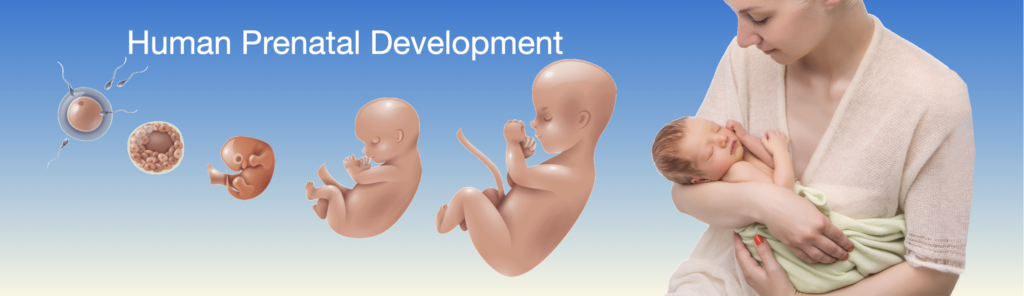
Human Prenatal Development (Middle School)
Purpose of This Preview
This preview is intended for school leaders, pastors, principals, and educators who wish to understand the structure, tone, and academic seriousness of the Faith & Reason science curriculum.
What you are about to see is not a sample, summary, or edited demonstration. It is the actual instructional material used in classrooms, presented here with minimal framing so the curriculum itself can be evaluated on its merits.
What You Are About to See
The Investigation you are about to enter is Investigation 1, which establishes the scientific and conceptual foundation for the entire Unit.
Students encounter authentic middle-school science content, hands-on laboratory experiences, and structured reflection designed to promote understanding, intellectual discipline, and reverence for life.
You do not need to understand every scientific detail presented. These concepts are taught progressively and experientially to students over time.
Modeling the Miracle
Throughout this Human Prenatal Development Unit, students participate in an ongoing Modeling the Miracle activity — a cumulative, hands-on exploration of how ordered biological processes give rise to unique human life.
Rather than beginning with conclusions, students are guided to observe structure, sequence, and continuity in living systems. Meaning emerges naturally from understanding, rather than being asserted in advance.
Each Investigation builds directly on the previous one.
Unit Structure
The Human Prenatal Development unit is organized into four Investigations, progressing from foundational cell biology to maternal–fetal interaction and preparation for birth:
- Investigation 1: Mitosis and Human Chromosomes
- Investigation 2: Meiosis and Gamete Formation
- Investigation 3: Maternal – Fetal Interactions
- Investigation 4: Preparing for Birth – Late Fetal Development
Each Investigation follows the same instructional sequence:
Concept → PreLab → Lab → PostLab Analysis & Critical Thinking → Faith & Reason Reflection
This consistent structure reduces cognitive load, supports teacher planning, and allows students to focus on understanding rather than navigation.
For reviewers: student-facing materials open in a new tab. Your teacher view will remain open.