Teacher Portal
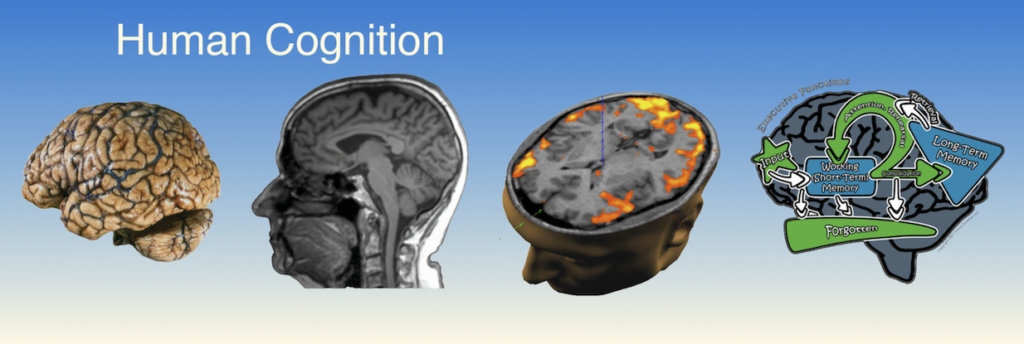
Welcome to Human Cognition
Human Cognition invites students to investigate one of the most fascinating questions in science:
How do we know what we know?
Through five carefully sequenced investigations, students discover how the brain receives information, forms memories, solves problems, and supports uniquely human thought and reasoning.
This unit explores the science of human cognition and the intellectual virtues that guide our search for truth.
Everything you need to successfully teach the Human Cognition unit has already been organized for you.
Investigation QuickStart
Investigation 3 - In Preparation
Investigation 4 - In Preparation
Investigation 5 - In Preparation
Jump directly to an available Investigation.
1. Getting Started: Teacher Setup & Student Access
Before teaching Investigation 1:
- Review the Investigation sequence below.
- Give students the class access code provided with your purchase.
- Students do not need individual accounts or email addresses.
2. Teacher Resources
Use these resources throughout the Human Cognition unit as needed.
End-of-Unit Assessment Materials
Use these end-of-unit assessment materials after students complete all five investigations.
The Final Assessment evaluates cumulative understanding of the Human Cognition Unit. The Answer Key supports efficient grading, and the Content Alignment Guide shows where each assessment objective is taught throughout the five Investigations. PDFs open in a new window for viewing, downloading, and printing.
2. Clarity Framework
The Clarity Framework Tools help students think more clearly—not just learn more information.
The Clarity Framework provides practical tools that strengthen observation, interpretation, evidence-based reasoning, and thoughtful discussion throughout the Human Cognition unit.
Learn more about the Clarity Framework.
3. Interactive Student Guides
The Human Cognition Student Guides may be printed or completed digitally using the interactive PDF versions provided with each Investigation.
Teachers may use the collection and grading method that best fits their classroom, including printed copies, school learning-management systems, Google Classroom, Microsoft Teams, email submission, or shared folders.
4. Investigations
Each Investigation contains everything needed for instruction, including lesson materials, laboratory procedures, student worksheets, discussion guides, formative assessments, answer keys, and classroom presentation resources.
Investigation 1: The Human Brain (What am I?)
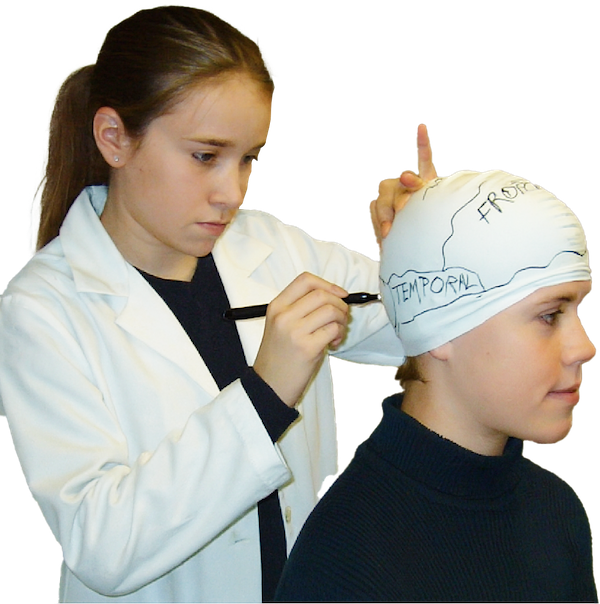
In Investigation 1, you will use a sheep brain in the lab, but human models will also be available for comparison. The focus of the lab will be the four lobes of the brain (frontal, temporal, parietal, and occipital) and their functions.
In the second part of the lab, you will be directed to find various structures on the brain specimens and then draw them on swim caps. This lab should give you a good understanding of the overall anatomy of the brain.

Investigation 2: Simple Information Processing (How do I know the world?)
Investigation 3: Learning and Memory (How do I remember and learn?)
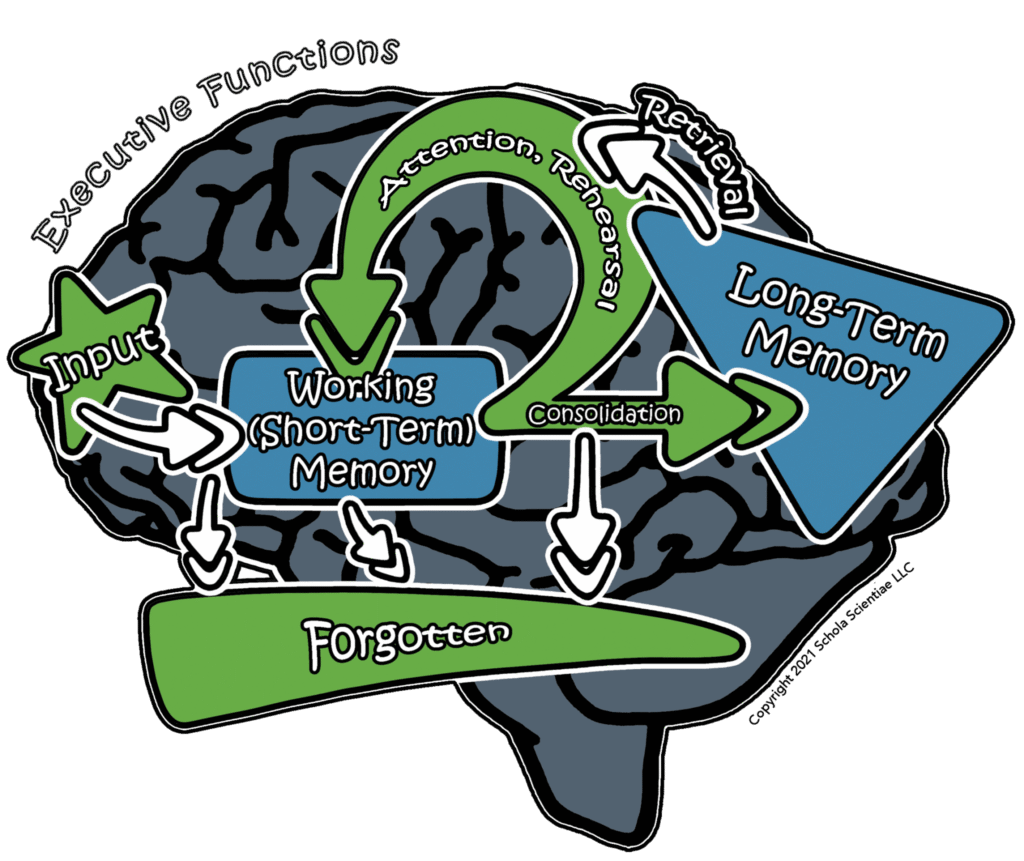
In Investigation 3, students explore how information is processed, stored, and retrieved, and how understanding memory can help them become more effective learners. Students will:
• Investigate how short-term and long-term memories are formed and retrieved.
• Explore factors that influence learning and memory, including attention and how information is processed.
• Apply principles of learning and memory to their own study strategies and cognitive abilities.
Investigation 3 – In Preparation

Investigation 4: Executive Functions (How should I choose?)
In Investigation 4, students explore executive functions—the higher-level cognitive processes that help us plan, focus attention, control impulses, solve problems, and make decisions. Students will:
• Investigate how the frontal lobes contribute to planning, inhibition, problem solving, and decision-making.
• Explore how executive functions develop through adolescence and into early adulthood.
• Consider how executive control contributes to responsible decision-making and how emerging technologies such as artificial intelligence may influence human choices.
Investigation 4 – In Preparation

Investigation 5: Uniquely Human (What makes human beings unique?)
In Investigation 5, students explore cognitive capacities that distinguish human beings and consider how the brain supports higher-order thought, moral awareness, and intentional action. Students will:
• Examine brain systems involved in self-reflection, empathy, moral judgment, and decision-making.
• Explore what neuroscience can—and cannot—tell us about free will, virtue, responsibility, and human behavior.
• Consider how scientific understanding of the brain relates to larger questions about what makes us uniquely human.
Investigation 5 – In Preparation
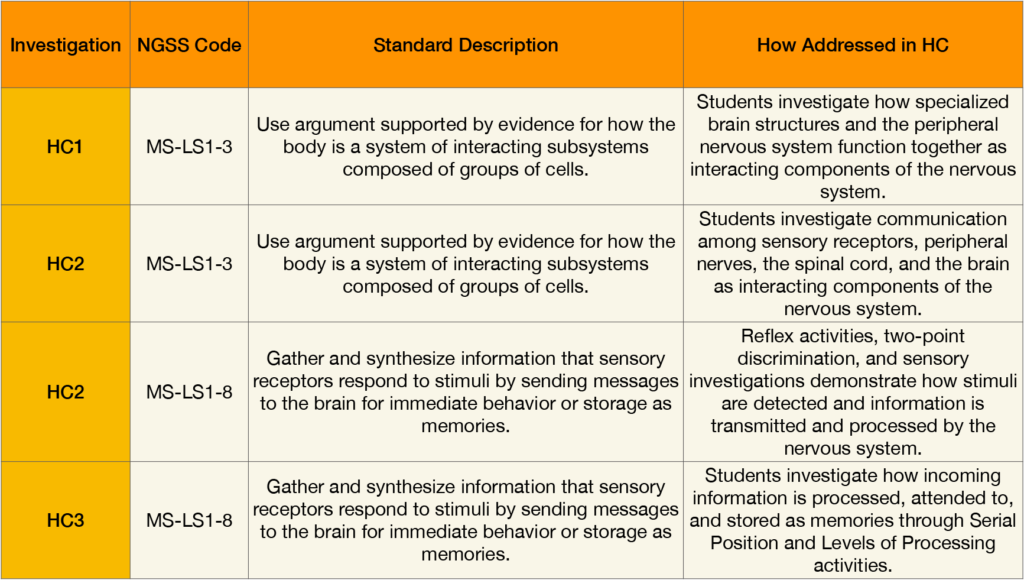
Next Generation Science Standards (NGSS):
Human Cognition