
NOTE TO TEACHER: Faith in Depth provides additional theological resources for educators who wish to explore the scientific discoveries of Investigation 2 through Scripture, the Catechism of the Catholic Church, and the Catholic intellectual tradition. These resources build upon the scientific foundations of the Investigation, inviting deeper reflection on questions of truth, wisdom, and the human person.
Investigation 2: Simple Information Processing
Investigation 2 explores one of the most fundamental characteristics of living organisms: the continuous flow of information.
Students discover how receptors detect changes in both the external and internal environments, how sensory information travels through the nervous system, how the brain and spinal cord process that information, and how appropriate responses are generated. Through investigations of reflexes, the somatosensory cortex, and conscious perception, students begin to understand that life depends upon accurately sensing, processing, and responding to information.
These scientific discoveries naturally lead to deeper questions about the unique human capacity to know, understand, make judgments, and choose wisely. Throughout this page, Scripture, the Catechism, and the Catholic intellectual tradition provide perspectives that build upon these scientific foundations.
Scientific Content and Concepts
In Investigation 2, students explore how the nervous system continuously receives information from both the external and internal worlds. Specialized sensory receptors detect changes in the environment and within the body, converting those changes into nerve impulses that travel through sensory neurons to the spinal cord and brain.
Students investigate two complementary pathways of information processing. Some responses, such as reflexes, occur rapidly through neural circuits within the spinal cord, allowing the body to react immediately to potentially harmful situations. Other information travels to the brain, where it is interpreted, integrated with prior knowledge and experience, and transformed into conscious perception, understanding, and deliberate action.
Students also investigate the somatosensory cortex and the sensory homunculus, discovering that different parts of the body are represented unequally within the brain. Areas requiring precise sensation, such as the fingertips and lips, occupy proportionally larger regions of the cortex than less sensitive areas. Through the two-point discrimination investigation, students experience firsthand the relationship between receptor density, cortical representation, and sensory perception.
Together, these investigations reveal one of the central principles of Human Cognition:
Living organisms survive by continually receiving, processing, and responding to information. Human beings build upon this remarkable biological foundation through understanding, reasoning, judgment, and wise action.
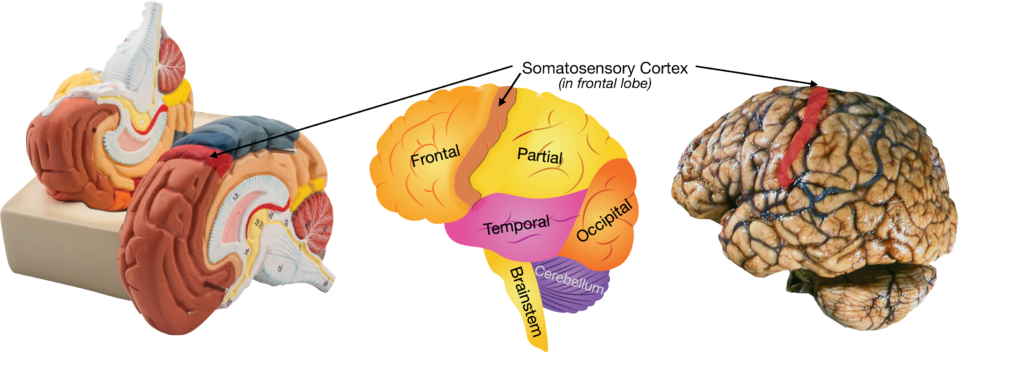
Representative images from Investigation 2 illustrating key concepts discussed throughout this section.

Scriptural Connections
Theme 1 — Created to Know the World
Genesis 2:7
“Then the LORD God formed man from the dust of the ground, and breathed into his nostrils the breath of life; and man became a living being.”
Connection to Investigation 2
Investigation 2 explores how living organisms continuously receive, process, and respond to information. Genesis reminds us that human beings are not merely biological systems but living persons, uniquely capable of understanding and responding to the world around them.
Theme 2 — Wonder Begins with Observation
Psalm 8:3–4
“When I consider your heavens, the work of your fingers…”
Connection to Investigation 2
Scientific investigation begins by carefully observing creation. The Psalmist models the same attitude of wonder that motivates scientific discovery.
Theme 3 — Seeking Understanding
Proverbs 2:1–6
“For the Lord gives wisdom…”
Connection to Investigation 2
Receiving sensory information is only the beginning. Investigation 2 shows that understanding requires processing information. Proverbs reminds us that wisdom grows from seeking understanding with humility.
Theme 4 — Love God with Your Mind
Matthew 22:37
“Love the Lord your God…with all your mind.”
Connection to Investigation 2
Human cognition is not merely a biological ability. Christians are called to use their minds in the pursuit of truth and in loving both God and neighbor.
Theme 5 — Testing What Is True
1 Thessalonians 5:21
“Test everything; retain what is good.”
Connection to Investigation 2
Scientific habits of mind encourage careful observation, thoughtful evaluation, and evidence-based conclusions. This biblical principle reflects the importance of seeking truth through careful examination rather than assumption.
Catechism Connections
Human Reason
CCC 1704
Connection
The Catechism teaches that the human person participates in God’s wisdom through intellect and reason. Investigation 2 begins explaining the biological foundation that makes rational thought possible.
The Search for Truth
CCC 159
Connection
Faith and reason are complementary ways of pursuing truth. Scientific discovery and theological reflection together deepen our understanding of reality.
Human Freedom
CCC 1730–1734
Connection
Information alone does not determine behavior. Human beings possess freedom and moral responsibility to choose wisely.
Human Dignity
CCC 1700–1706
Connection
The remarkable abilities explored in Investigation 2 point beyond biology to the dignity of the human person.
Knowledge and Responsibility
CCC 1806 (Prudence)
Connection
Scientific understanding becomes most valuable when it guides wise decisions and responsible action.
Catholic Intellectual Tradition
The Human Person — Body and Soul
St. Thomas Aquinas, Summa Theologiae, I, q. 76, a. 1
Connection
Aquinas understands the human person as a unity of body and soul. The brain and nervous system therefore belong to the embodied human person, rather than functioning as something separate from who we are.
Truth, Reason, and Freedom
St. John Paul II, Fides et Ratio (1998)
Connection
John Paul II emphasizes the human capacity to seek and know truth through reason. Human cognition allows us not simply to react to information, but to understand, evaluate, and use what we know in making free and responsible choices.
The Human Search for Truth
St. Augustine, Confessions, Book X
Connection
Augustine reflects on the human capacity to remember, understand, and search for truth. Our ability to receive information becomes distinctly human as we reflect upon experience and seek to understand what is true.
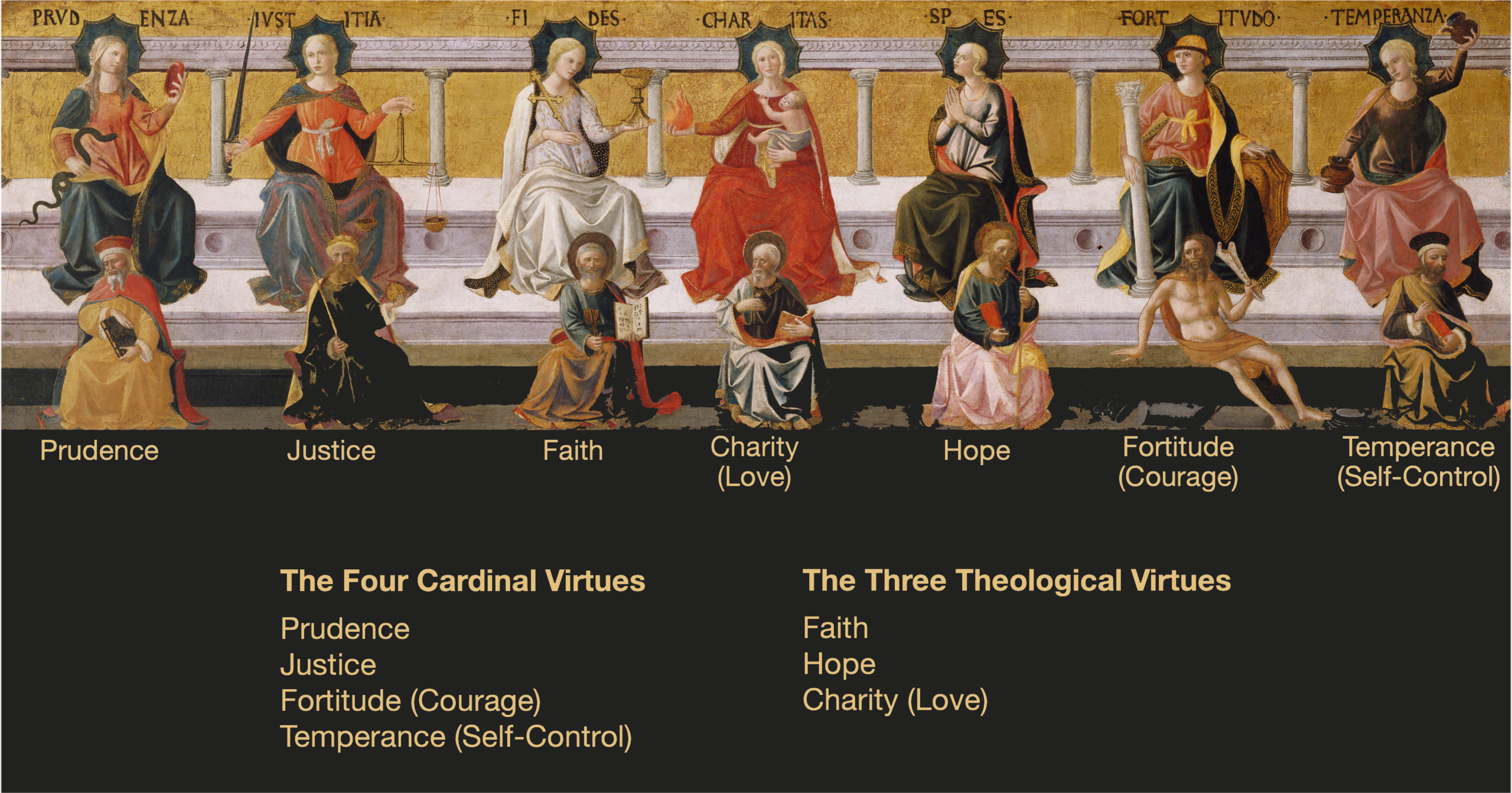
Catholic Virtues
Prudence
Prudence enables us to apply knowledge wisely. Investigation 2 illustrates that understanding should lead to thoughtful action rather than impulsive reaction.
Wisdom
Wisdom goes beyond possessing information. It involves understanding reality correctly and making sound judgments.
Intellectual Humility
The more we discover about the remarkable complexity of the human brain, the more we recognize how much remains to be learned. Scientific discovery should cultivate humility rather than arrogance.
Wonder
Wonder inspires both scientific investigation and theological reflection. It is often the beginning of the search for truth.
Integration into the Classroom
Religion teachers might ask:
- Why is understanding different from simply receiving information?
- What responsibilities accompany humanity’s remarkable ability to know?
- How can scientific discovery increase our sense of wonder about creation?
- Why should greater knowledge lead to greater humility?
- How do faith and reason together help us pursue truth?
- How can understanding lead to wiser decisions in everyday life?