Note to Students: Read through the first two sections of Background Information, Mitosis and Growth, and Human Chromosomes, and review the questions and answers provided in Background Information for each section to ensure understanding.
Get Focused:
Think about the following questions as we work through today’s PreLab. By the end of this Investigation, you should be able to answer each one confidently.
1. What role do chromosomes play in human development?
2. Why do humans have 23 pairs of chromosomes, and why does this matter for growth?
3. How does mitosis allow a tiny embryo to grow into a full-term baby?
4. What do the different stages of mitosis reveal about how cells divide accurately.
Preparing for Success:
Before beginning this Investigation, students should review several key ideas from the Background Information and Concept Day slides. These ideas directly influence their success in the Mitosis Modeling Lab.
To help students succeed:
Direct them to the specific Background Readings linked below.
Encourage them to click the slide thumbnails to view important Concept Day visuals.
Review the short explanations that tell them why each concept matters for today’s investigation.
This structure removes guesswork and helps both teachers and students feel confident and prepared. These ideas directly shape how students will perform during the modeling of mitosis, chromosome number, and growth.
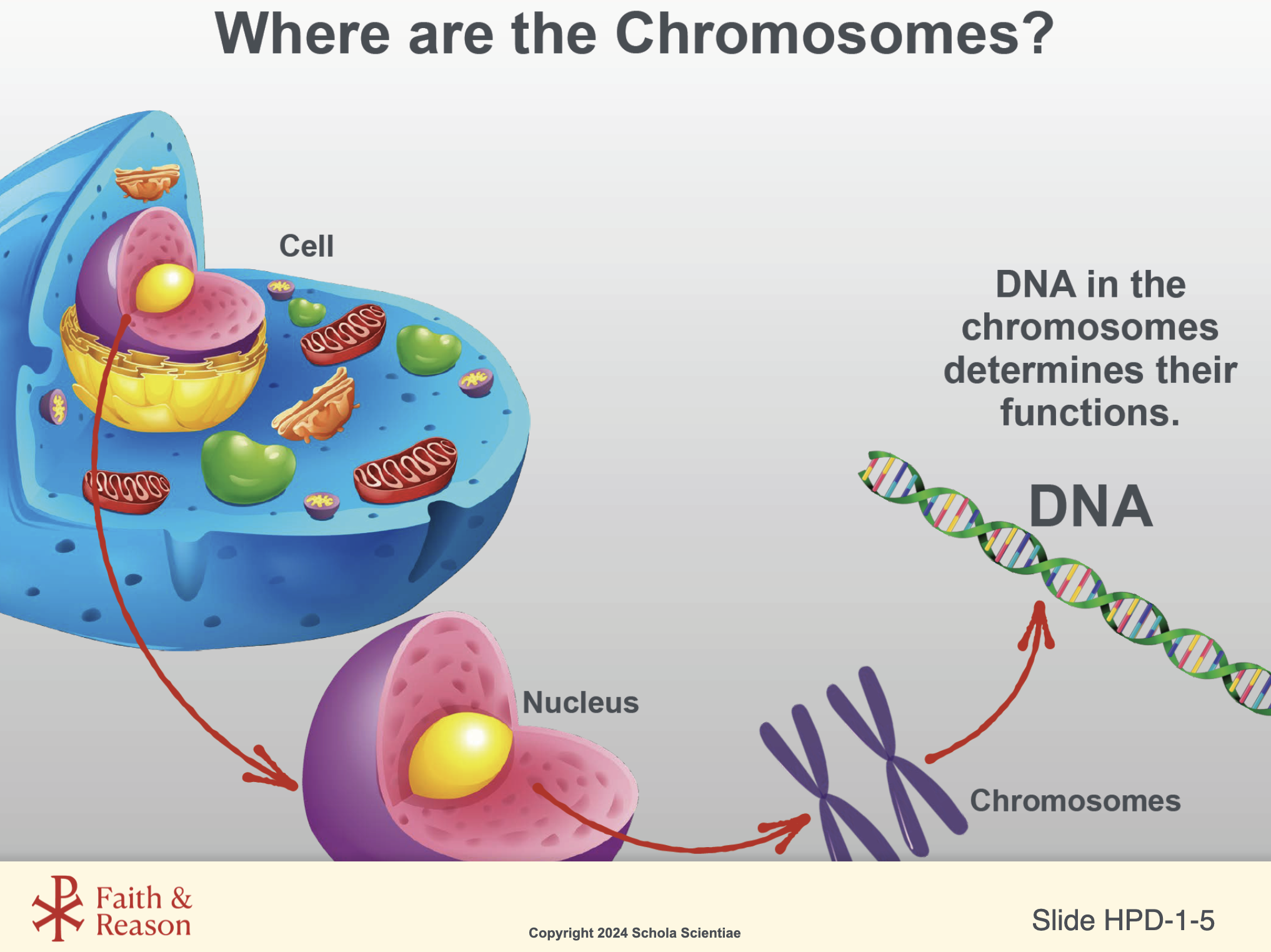
1. Chromosomes Carry Instructions for Development
Key Idea:
Chromosomes are made of DNA, which carries the instructions for how every cell functions, divides, and develops.
In Lab, you will be modeling chromosome behavior using blocks or manipulatives. You must first understand what chromosomes actually represent (bundles of DNA instructions) before you attempt to model changes in chromosome number.
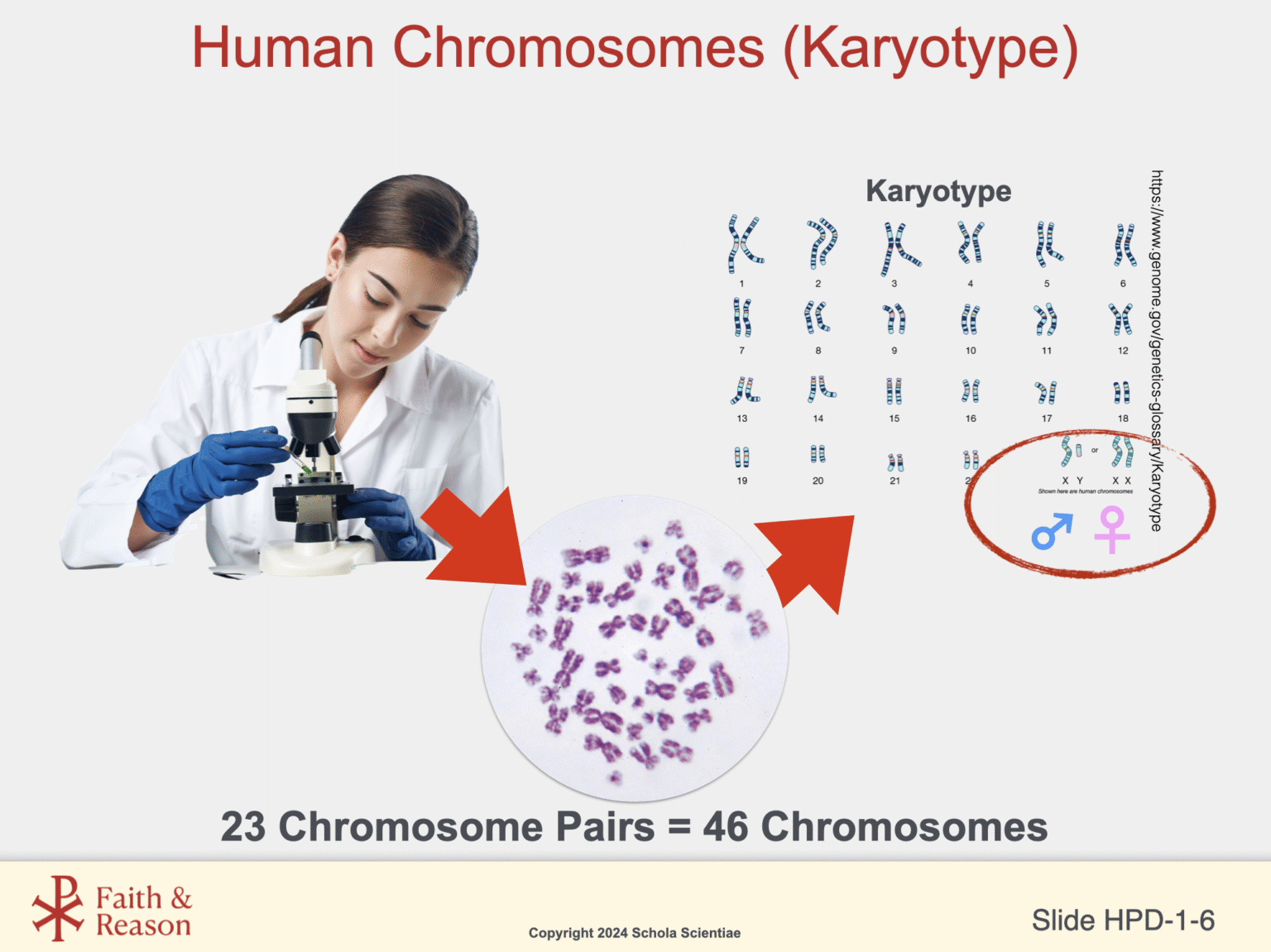
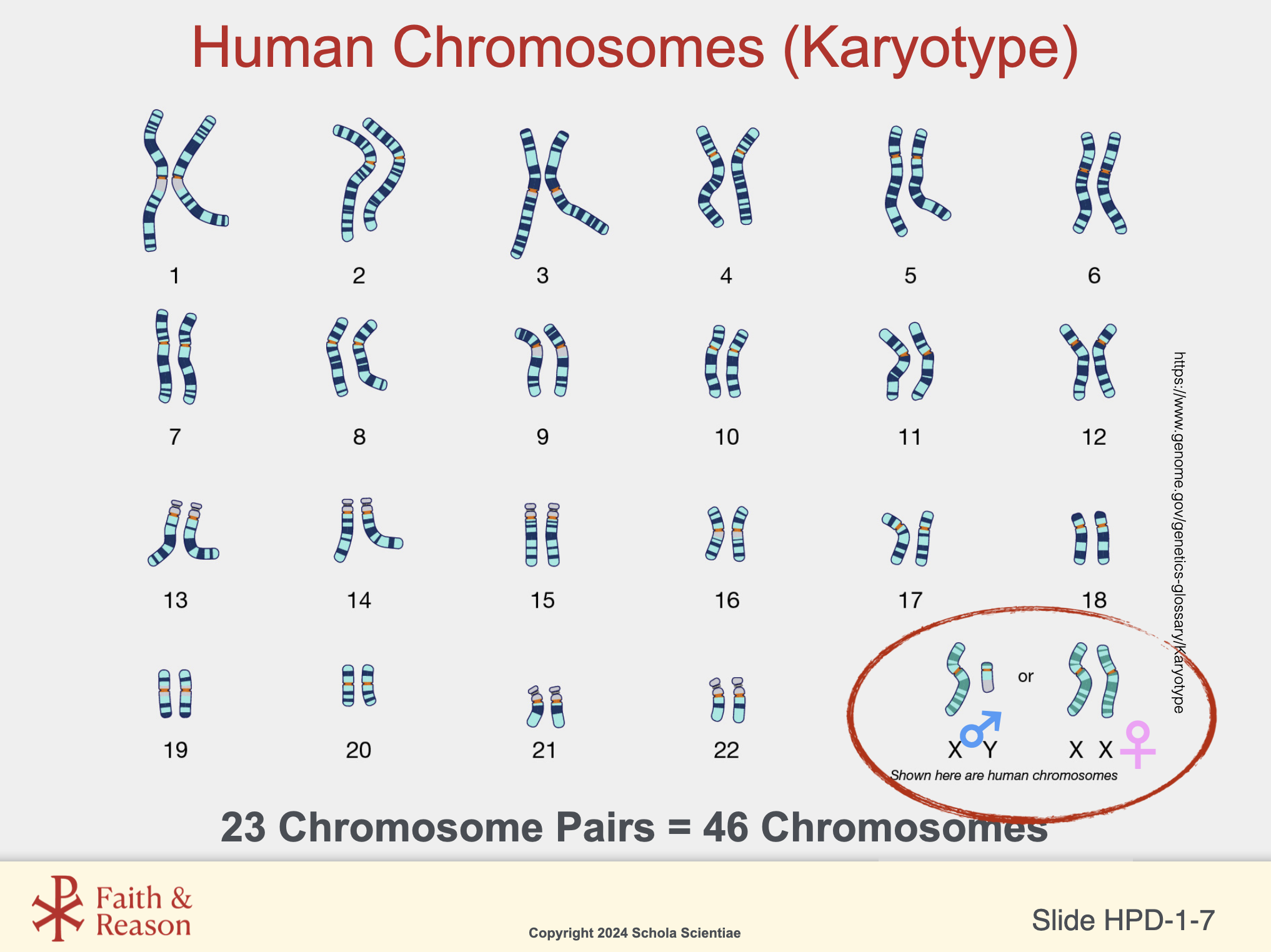
2. Humans Have 23 Chromosome Pairs — and This Matters for Growth
Key Idea:
Humans Have 23 Chromosome Pairs — and This Matters for Growth
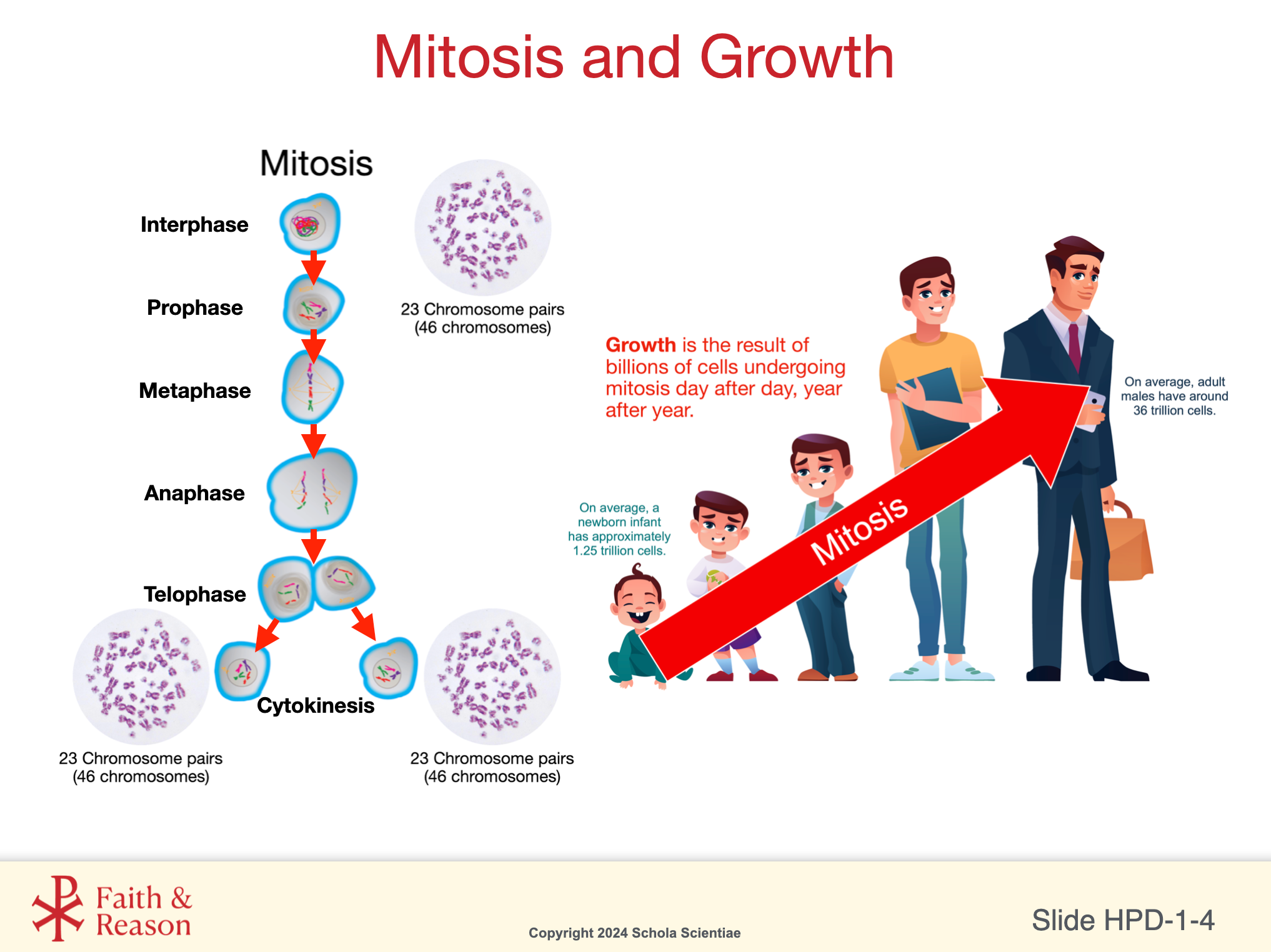
When you model mitosis, you must begin with the correct number of chromosomes. Miscounting the starting chromosome number is a common student mistake and leads to incorrect daughter cells later.
3. Mitosis Produces Genetically Identical Cells
Key Idea:
Mitosis ensures that each new cell receives a full set of DNA instructions—critical for growth, repair, and prenatal development.
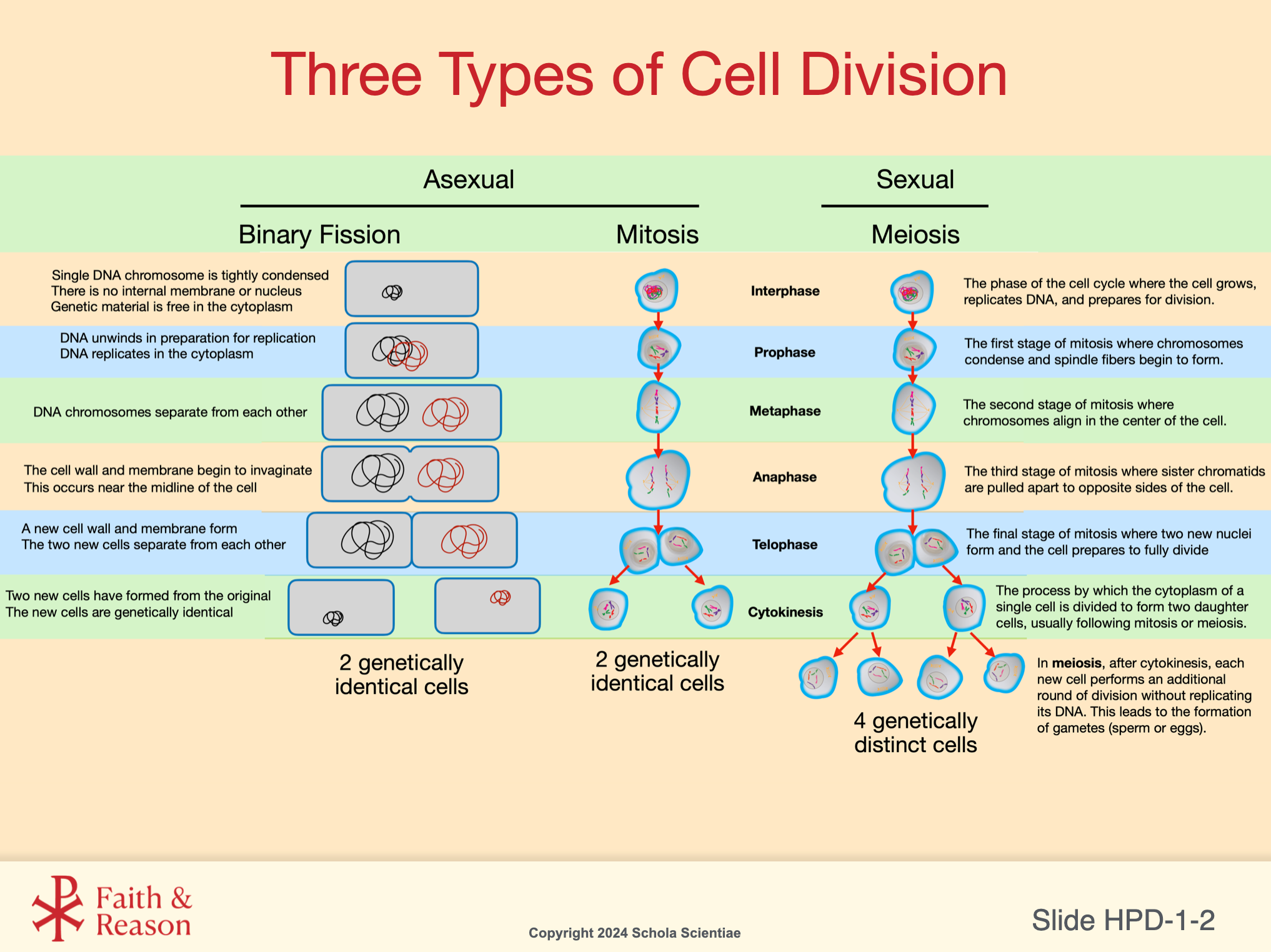
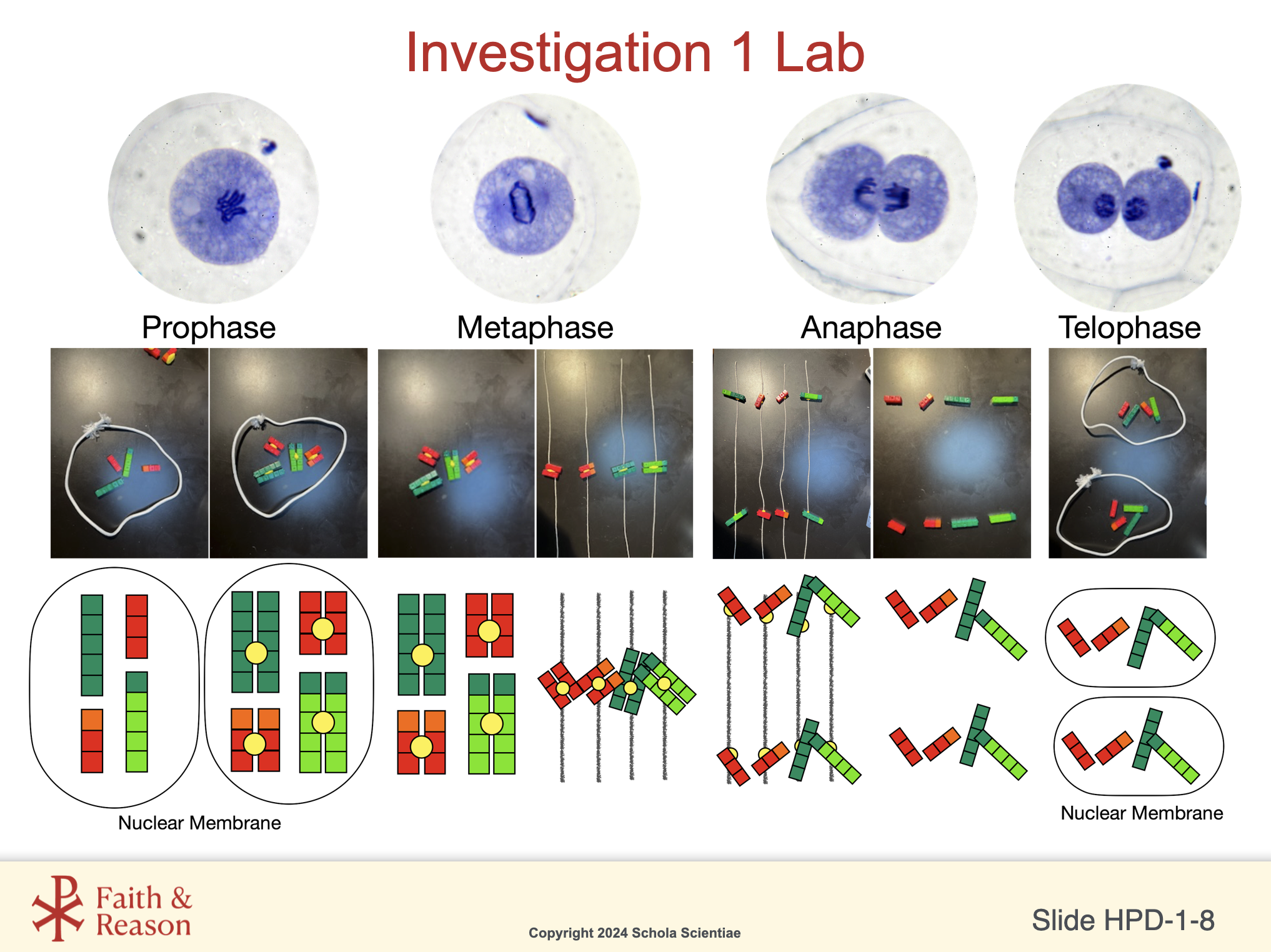
You will model the four main stages (prophase → metaphase → anaphase → telophase). Understanding the purpose of each stage helps you correctly manipulate your models and recognize errors in chromosome separation.
4. Mitosis Drives Massive Increases in Cell Number During Prenatal Development
Key Idea:
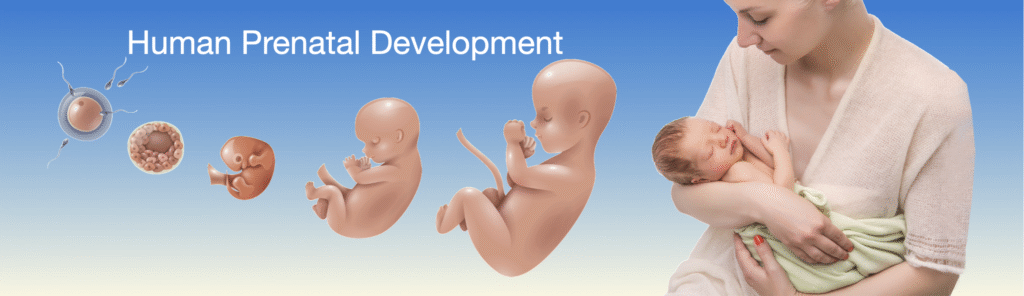
A human newborn has ~1.25 trillion cells. That number grows from one fertilized egg through countless rounds of mitosis.
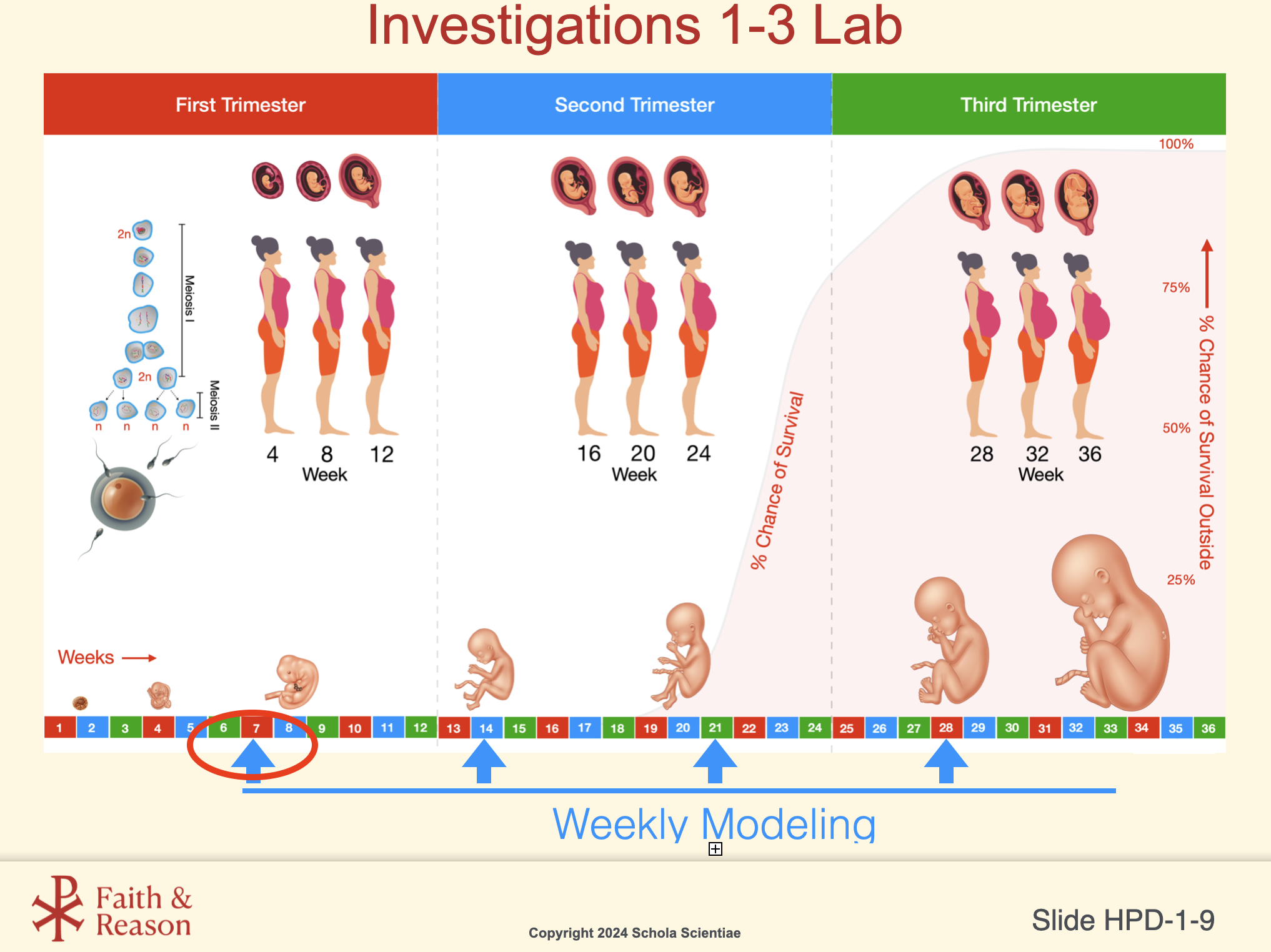
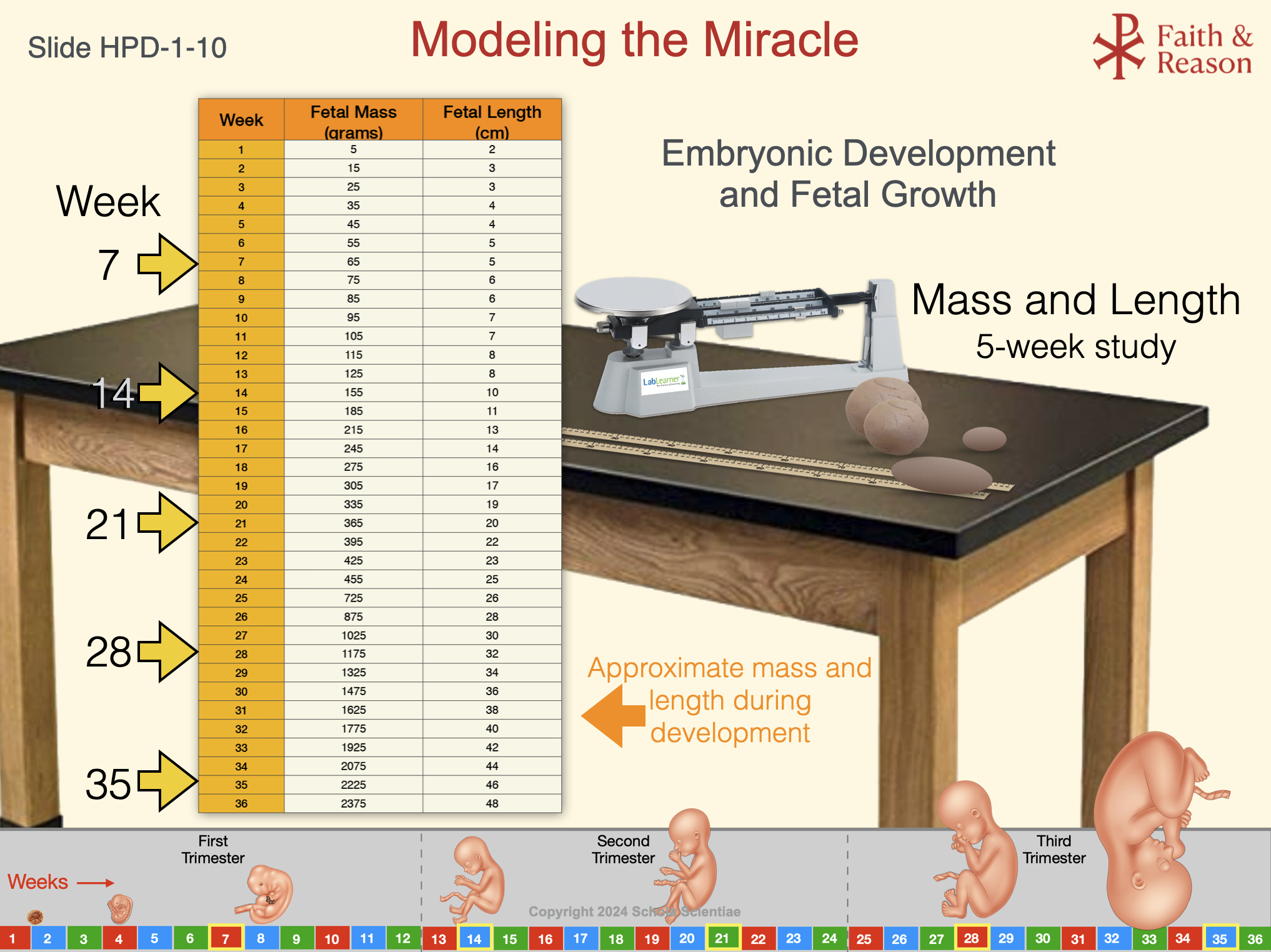
In Lab, you will connect the rate of mitosis to fetal mass and length using the Modeling the Miracle chart. Understanding that growth = cell division will help you interpret lab results and trimester modeling.
5. The Stages of Mitosis Must Occur Accurately
Key Idea:
If chromosomes do not separate correctly, the resulting cells may have too many or too few chromosomes.
When you perform the Modeling the Miracle activity, you will model correct chromosome separation. This reinforces why accuracy in mitosis is essential for healthy development.
6. Growth Patterns Relate to Trimester Development
Key Idea:
Fetal growth follows predictable patterns. Understanding trimester-based changes helps students interpret the Modeling the Miracle data.
Relevant Concept Slides (Click to enlarge):
7. Students Will Apply All These Concepts in Lab
Key Idea:
The PreLab is not abstract — it is a roadmap for success in the Lab.
Students must be ready to:
Begin with the correct chromosome number.
Model chromosome duplication accurately.
Model the stages of mitosis in correct order.
Interpret fetal mass/length data as outcomes of mitotic cell increase.
Why this matters:
Students who walk into the Lab with these ideas clear will excel, make fewer construction mistakes, and produce more accurate interpretations.