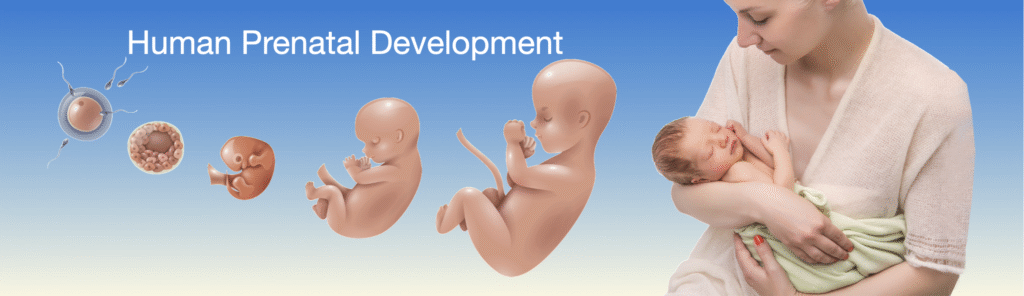
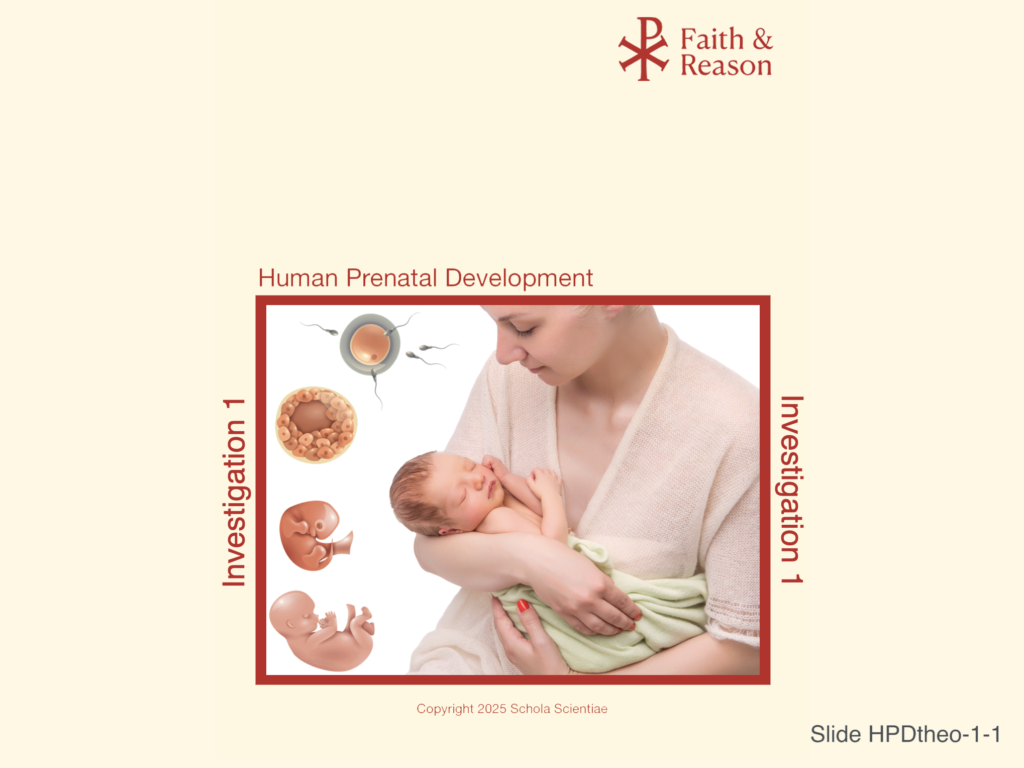
Human Prenatal Development — Theological Connections
Think about this question:
What is the difference between understanding how life begins and thinking about why life matters?
Be ready to share:
What did you learn in science about how human life begins?
Why might it be important to think about the meaning of life, not just how it develops?
This slide mirrors the science slide structure to provide familiarity. Just as you explored the physical beginnings of human life in science, you’ll now reflect on the sacred meaning of that life.
In His Image: God’s Design Begins with a Cell
Think about this question:
What does it mean to say that every human life has dignity from the very beginning?
Be ready to share:
What does “created in the image of God” suggest about each person?
Why might every human life be valuable from the first moment?
The Science You Learned in Investigation 1
Think about this question:
What questions have people always asked about human life?
Be ready to share:
Where does life come from?
What gives human life value?
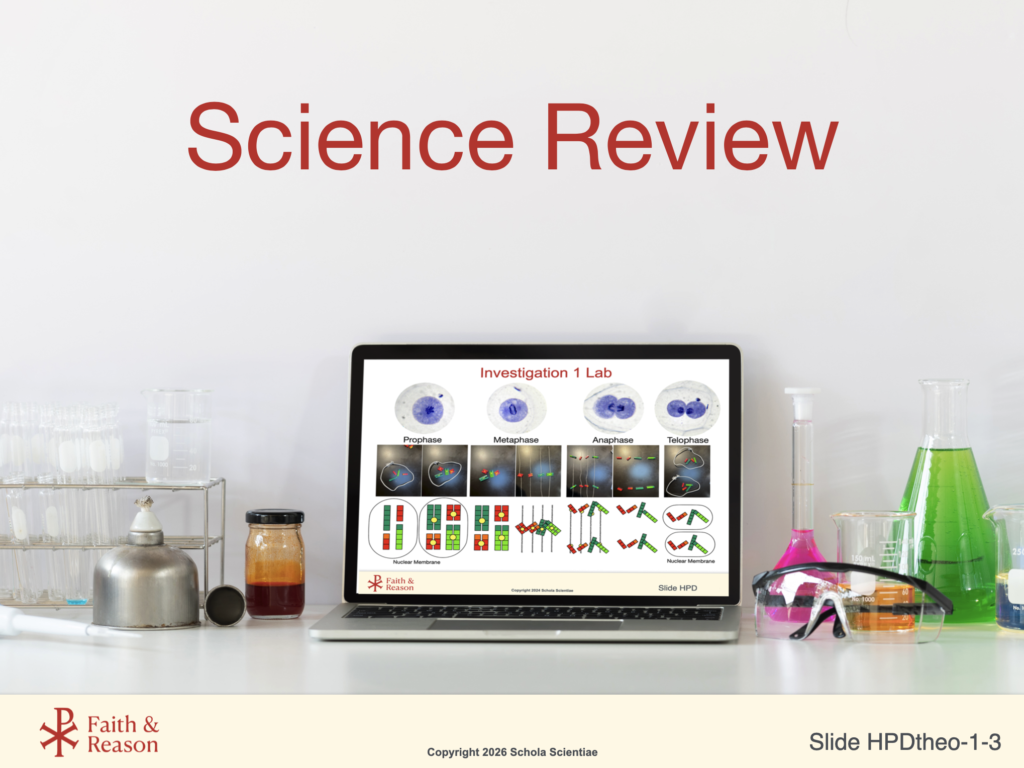
How did science help you understand how life begins?
Investigation 1: Science Content Recap
Think about this question:
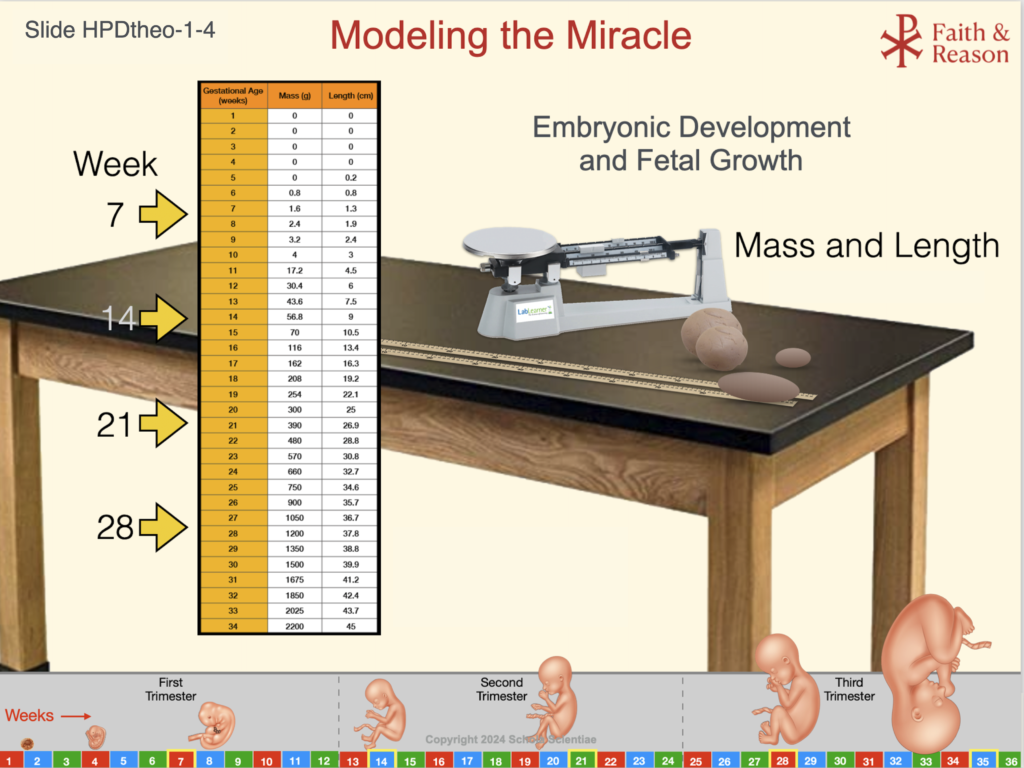
What did you observe about how a human develops from the very beginning?
Be ready to share:
What patterns did you notice in growth and development?
How did measurement (mass and length) help you understand development?
Does this process seem random or organized?
In His Image: God’s Design Begins with a Cell
Think about this question:
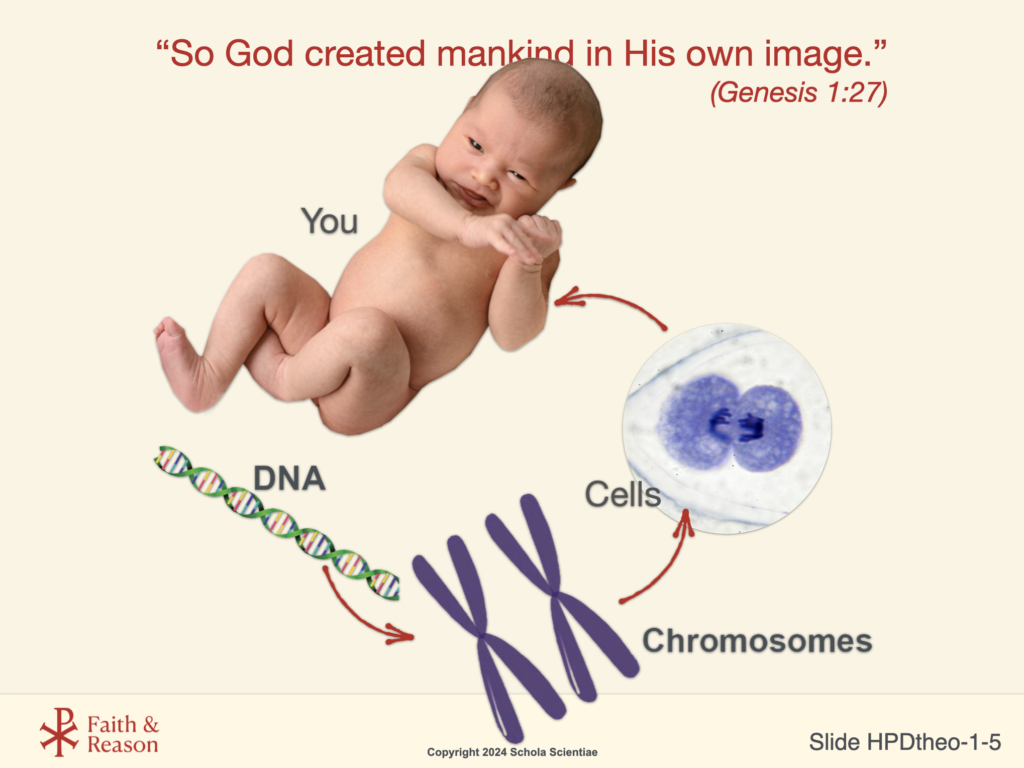
What does it mean to be created in God’s image—even at the level of cells?
Be ready to share:
How does the image connect a baby, cells, DNA, and chromosomes?
What might it mean that even our smallest parts reflect a larger design?
How is your body a reflection of something greater?
Faith and Reason Tradition
Take a moment to reflect:
What does it feel like to know that your life was formed with care and purpose?
Be ready to share:
What does this idea suggest about your value as a person?
How might this change the way you think about your life?
How might it change how you treat others?
“You Knit Me Together” (Psalm 139:13)
Think about this question:
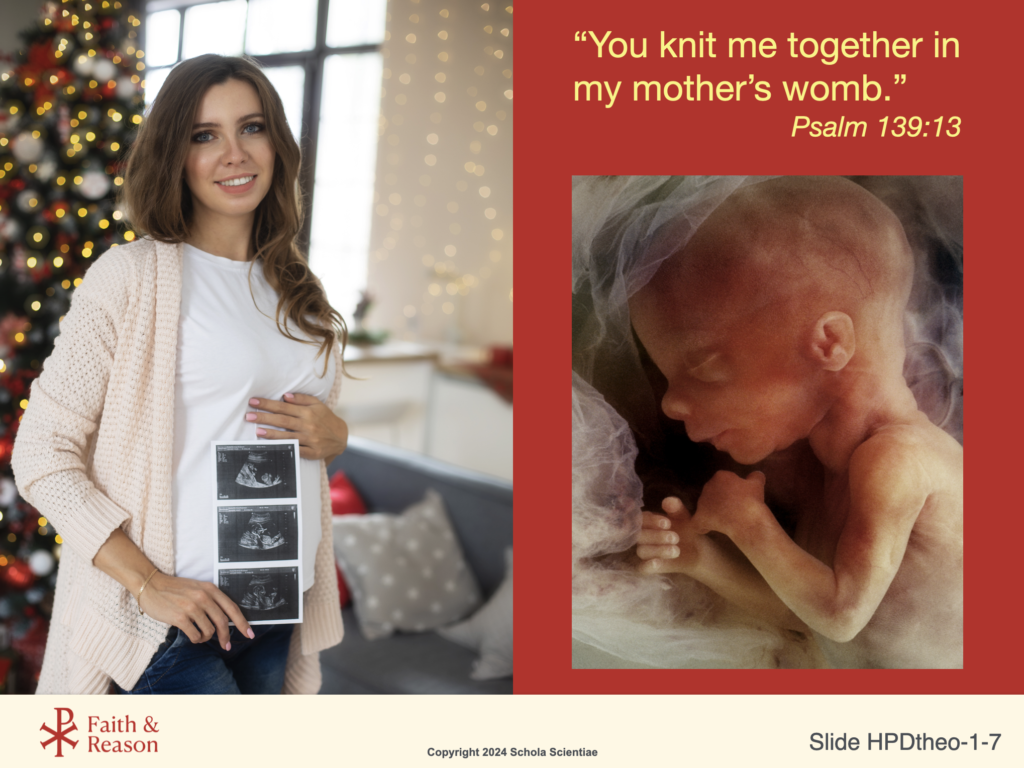
What does this verse suggest about how well God knows you?
Be ready to share:
What does “knit together” suggest about care and intention?
How does the image of development support this idea?
What might God already know about your life and purpose?
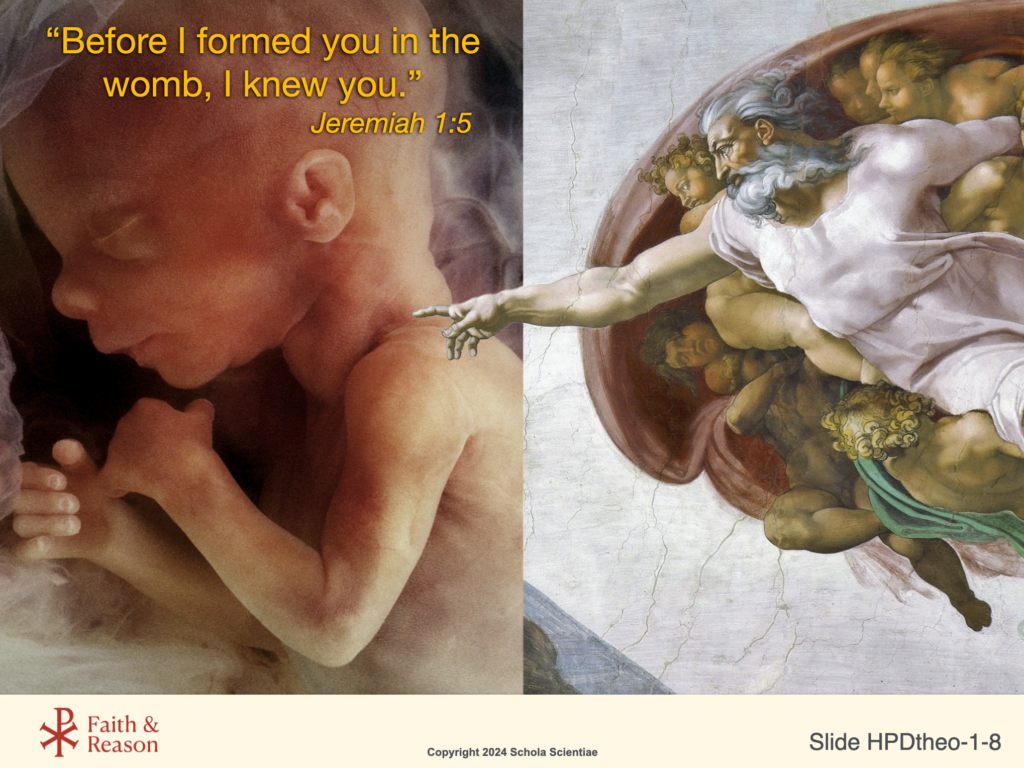
“Before I Formed You in the Womb, I Knew You” (Jeremiah 1:5)
Think about this question:
Why do you think the Church teaches that human life should be protected from conception?
Be ready to share:
What does this verse suggest about God’s relationship to each person?
Why might life matter from its earliest beginning?
How does this connect to what you learned in science?
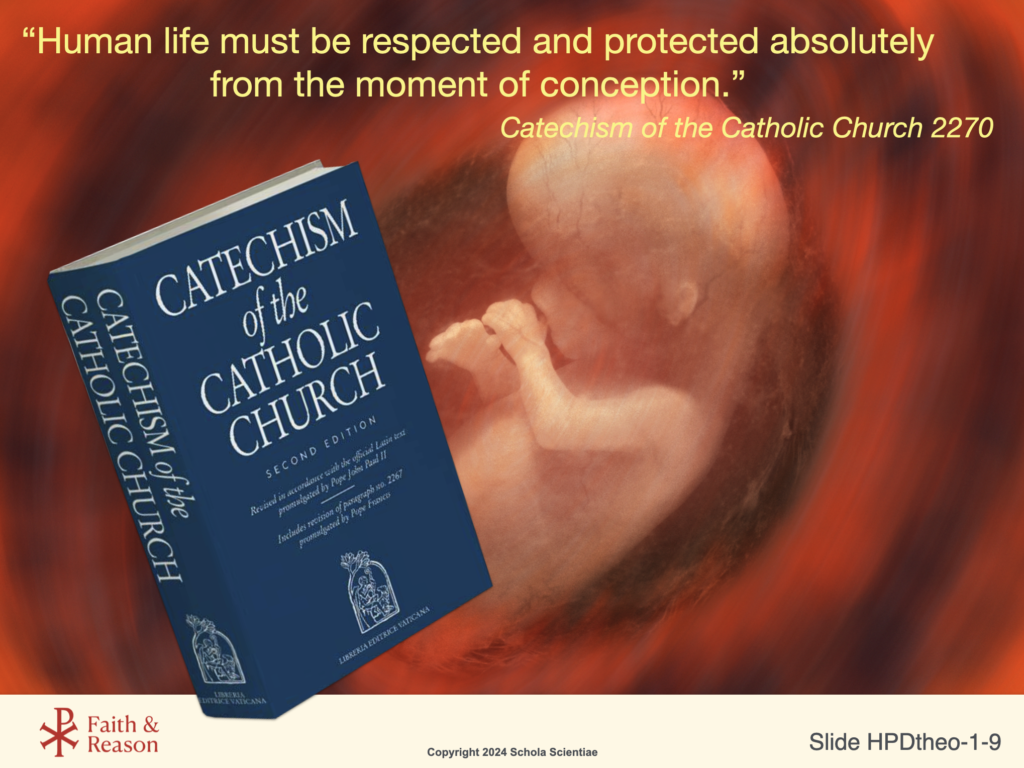
Catechism: Human Life Must Be Respected and Protected
Consider this:
What does it mean to say that human life must be respected and protected from the moment of conception?
Be ready to share:
Why might the Church emphasize the beginning of life?
How does this teaching connect to the science of fertilization and development?
What does this suggest about the value of every person?
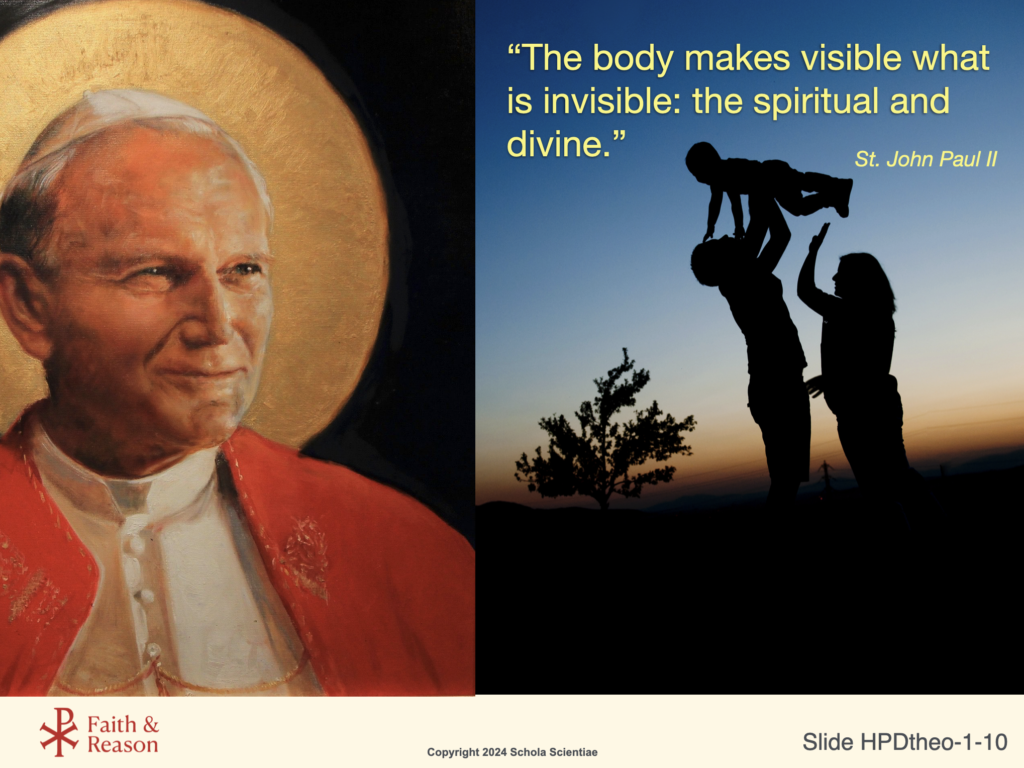
St. John Paul II — The Body Makes Visible What Is Invisible
Think about this question:
What might St. John Paul II mean when he says, “The body makes visible what is invisible”?
Be ready to share:
What can the body reveal about love, dignity, or the person within?
How can something physical point to something deeper?
Why might this matter when we think about human life?
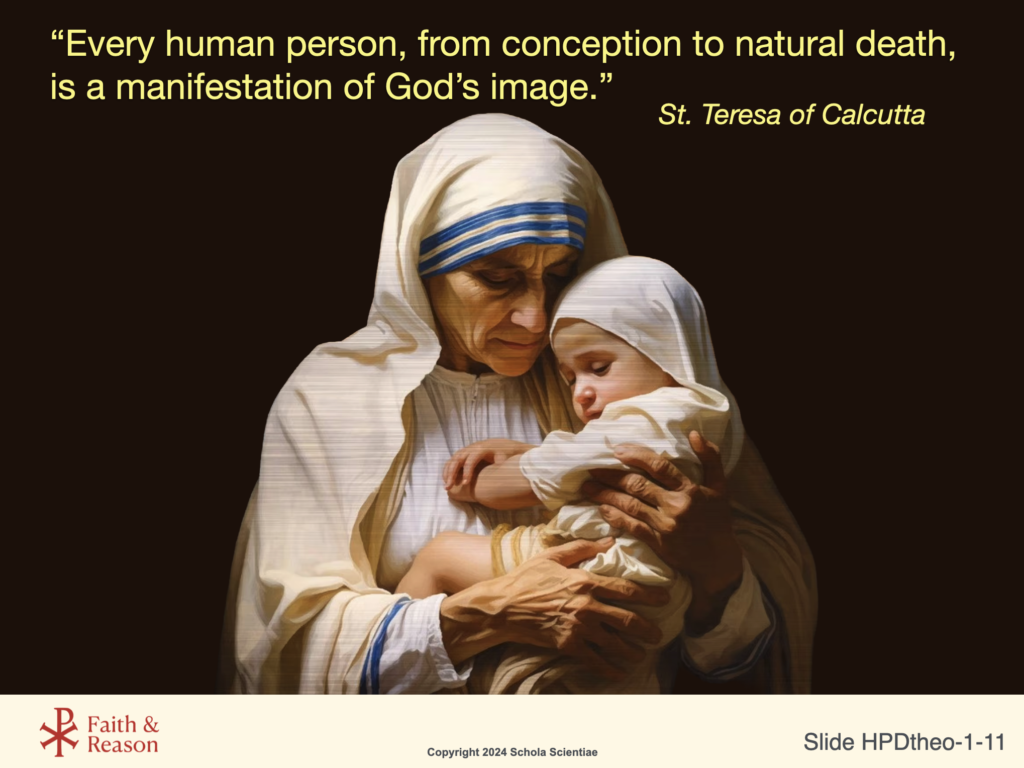
Human Dignity Reflection
Read the quotation slowly.
“Every human person, from conception to natural death, is a manifestation of God’s image.”
Think about this:
What does this say about the value of every human life?
How does this change the way you think about others?
What will you do with what you’ve learned?
Understanding human life brings responsibility. Consider how your words and actions can show respect for life.
Social Reflection
Be prepared to discuss:
How should we treat others if every person is a sacred creation?
Connect your ideas to virtues such as respect and compassion.
Moral Responsibility
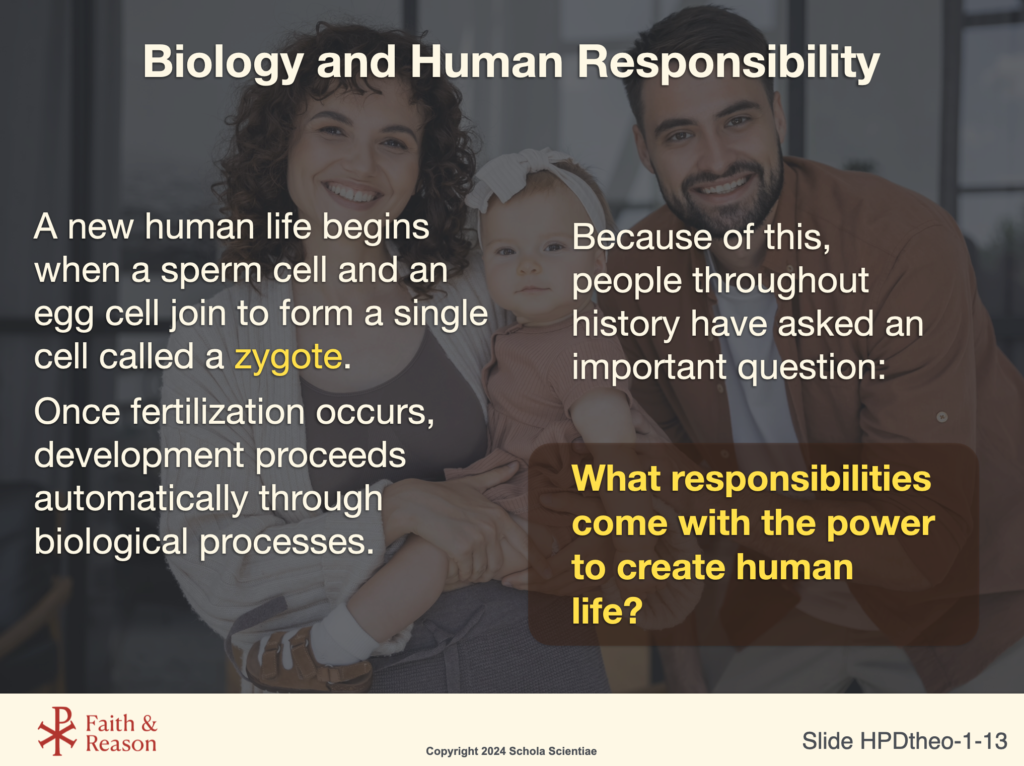
What responsibilities come with the power to create human life?
Think about how knowledge of human life connects to:
respect for others
self-control
care for life
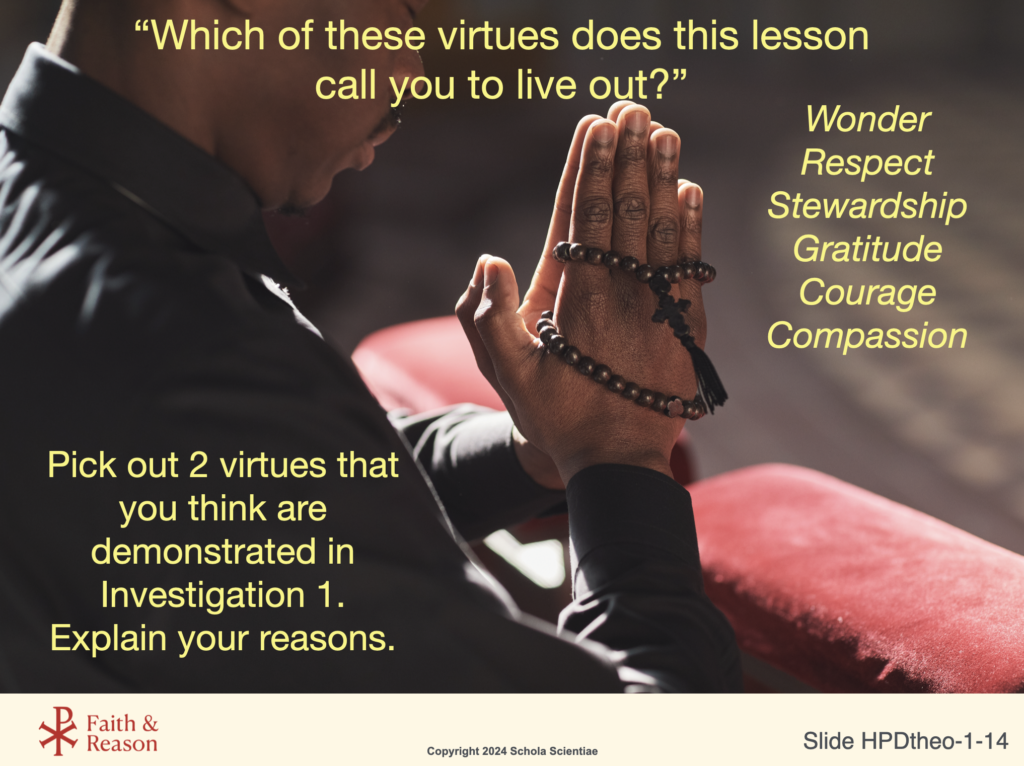
Virtue Reflection
Choose two or three virtues from the slide.
Explain how they are demonstrated in Investigation 1.
Be ready to share your ideas in class.
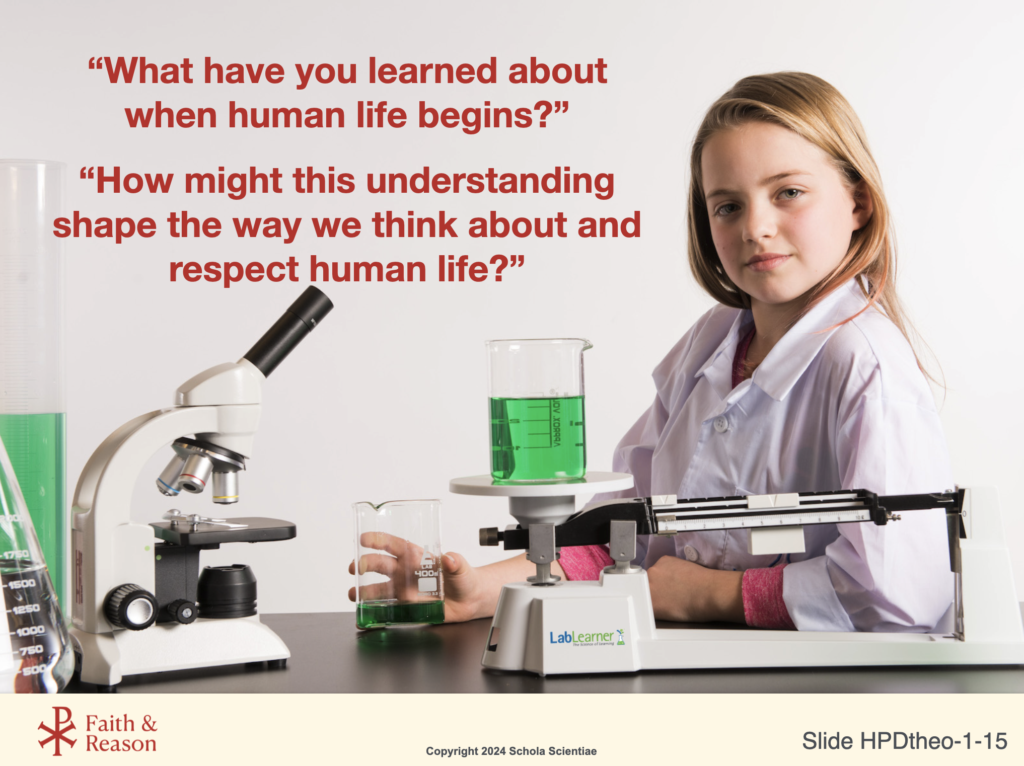
Final Reflection
Think about these questions:
What have you learned about when human life begins?
How might this understanding shape the way you think about and respect human life?
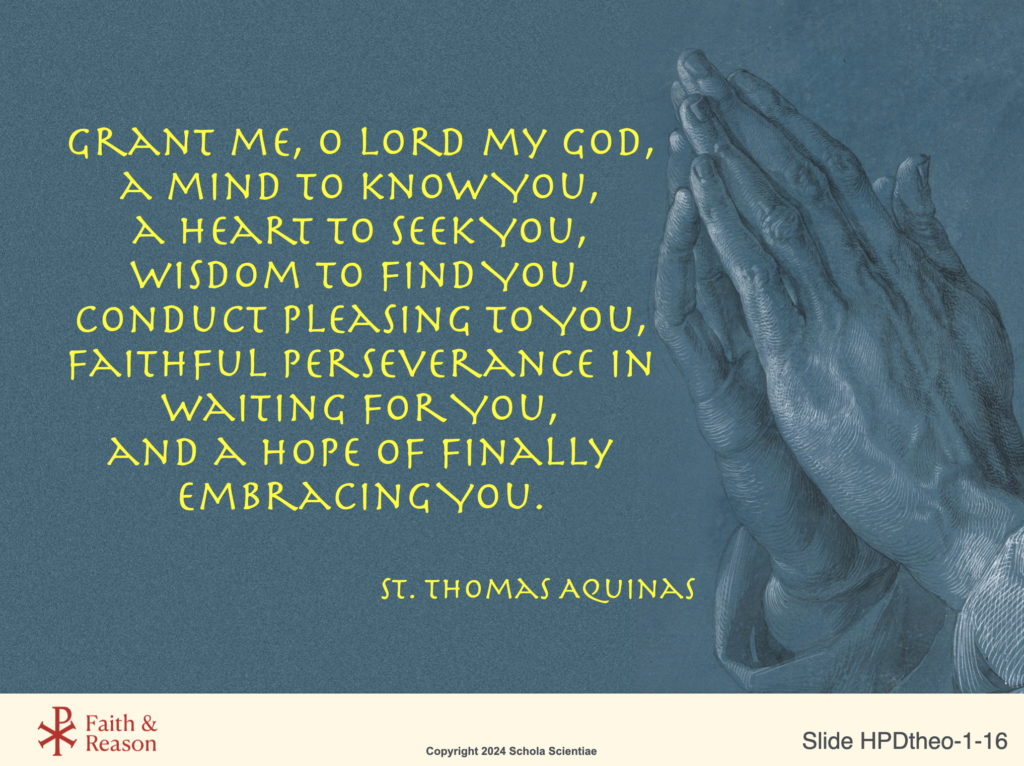
Closing Prayer (St. Thomas Aquinas)
Read this prayer slowly.
Reflect on how it connects to what you have learned about human life, dignity, and purpose.
Grant me, O Lord my God, a mind to know You, a heart to seek You, wisdom to find You, conduct pleasing to You, faithful perseverance in waiting for You, and a hope of finally embracing You.