Every lesson, lab, and reflection in this series is designed using this model—integrating scientific understanding while guiding students toward deeper questions of meaning, purpose, and human dignity.
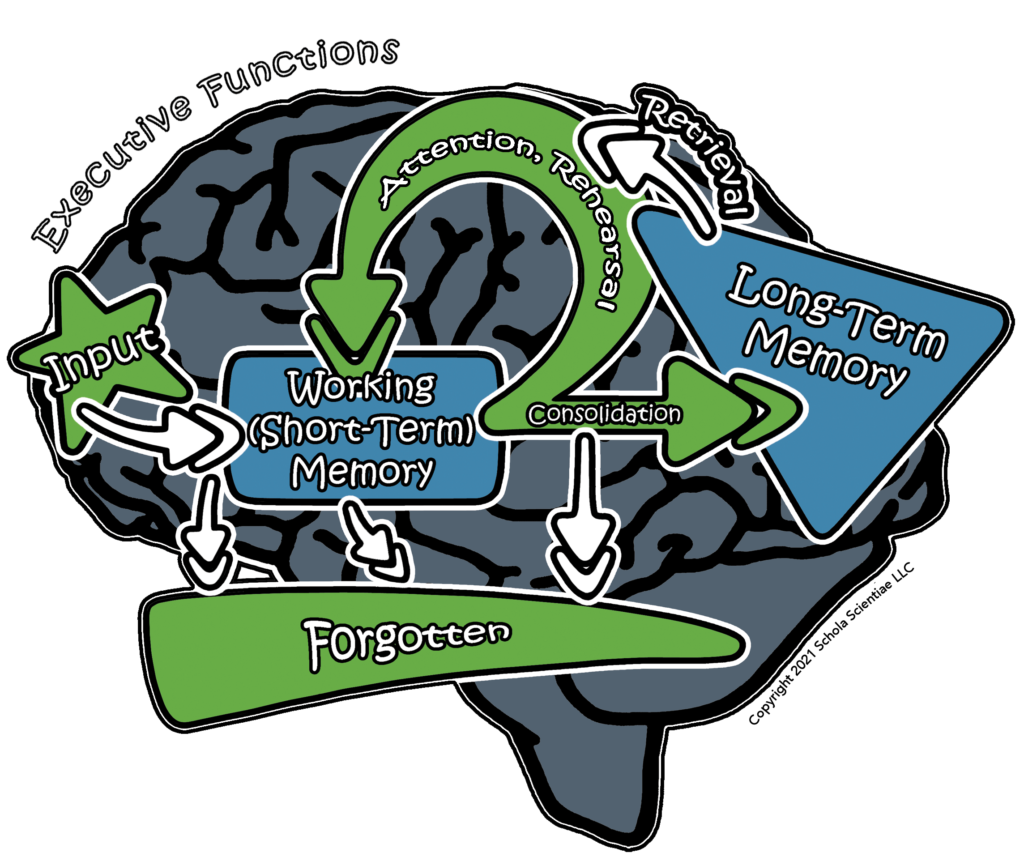
The Information Processing Model
From Model to Instruction
Learning is intentionally structured to move from initial exposure to deep understanding through analysis, application, and reflection.
This same structure is then applied consistently in every lesson.
Sensory Input
Students encounter new information through reading, visuals, discussion, and hands-on activities.
Working Memory
Students actively process information through guided instruction, discussion, and lab experiences.
Long-Term Memory
Knowledge is reinforced and stored through reflection, application, and repeated use across lessons.
Input → Process → Store
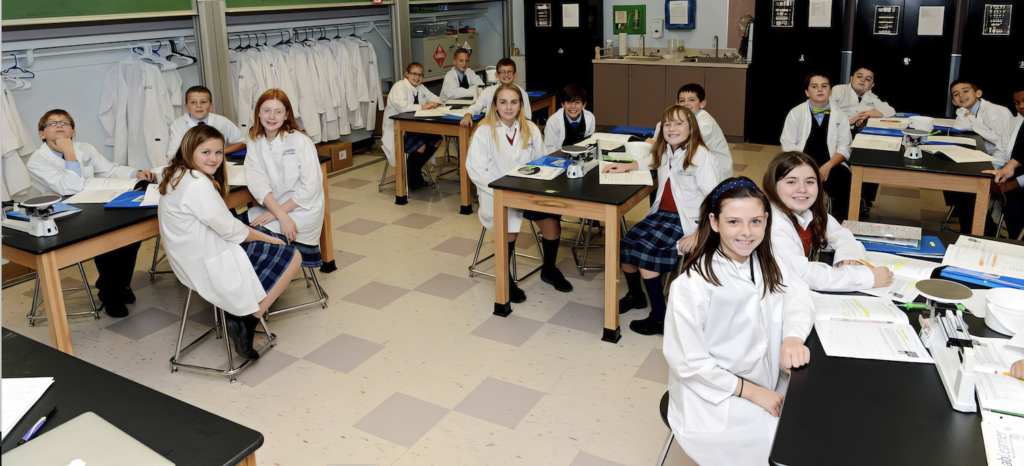
How This Appears in the Classroom
CLASSROOM STRUCTURE
Concepts
Students encounter new ideas through guided reading and structured presentation of key scientific concepts.
Preparing for Success (PreLab)
Students begin processing information through focused questions, discussion, and activation of prior knowledge.
Lab Experience
Students engage directly with hands-on investigations that reinforce and deepen understanding.
Reflection and Integration
Students consolidate learning through analysis, application, and guided theological reflection—moving knowledge into long-term memory while considering meaning, purpose, and human dignity.
Science reveals structure, while reflection reveals meaning.