Faith and Reason is a middle school science series that unites hands-on scientific investigation with the Catholic intellectual tradition. Students explore biology, cognition, and the human person through laboratory experiments, discussion, and reflection.
The Three Foundations of the Faith and Reason Series
Scientific Investigation
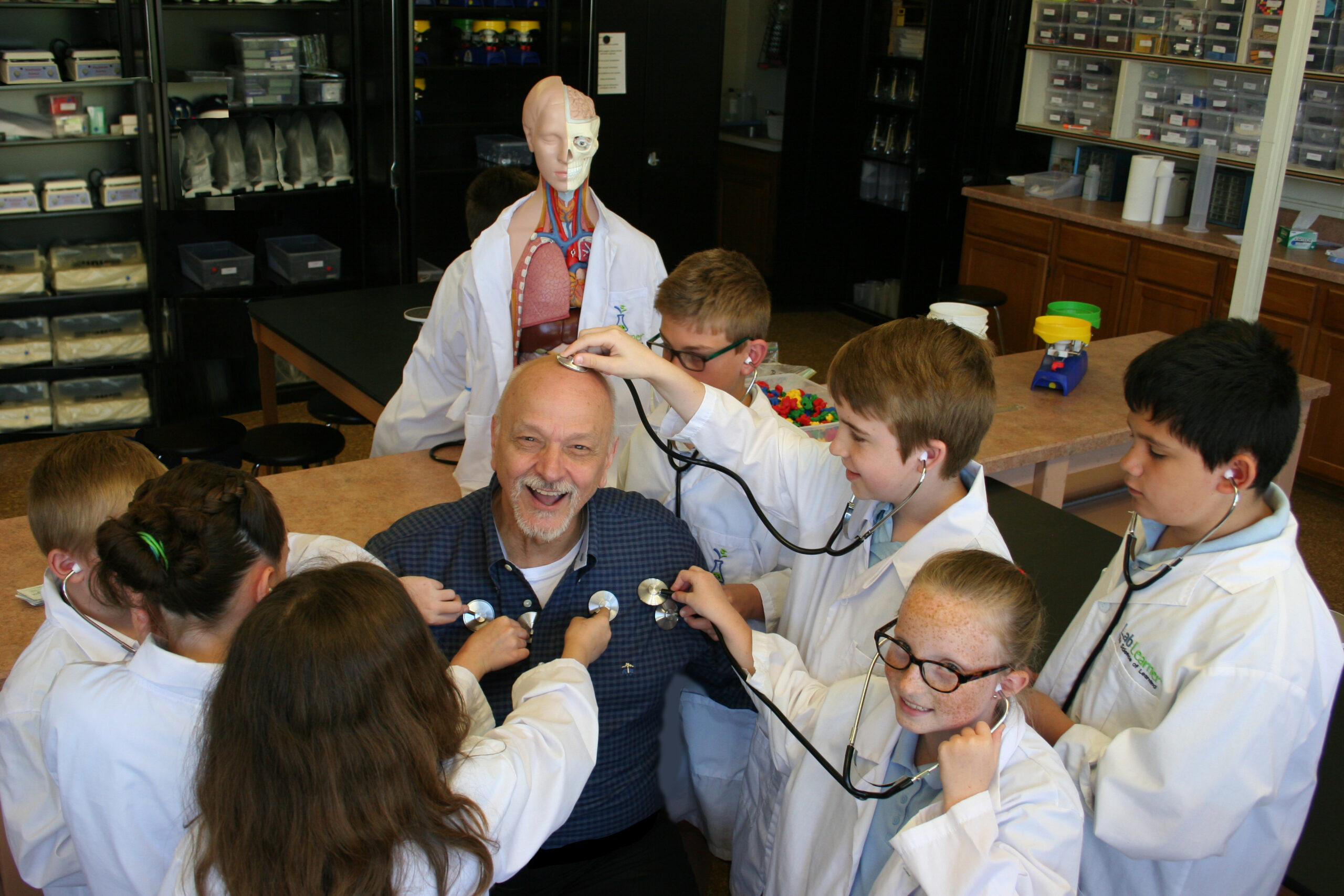
Students conduct real laboratory investigations in biology and life science, learning to observe carefully, ask questions, and understand how scientific discovery reveals the structure and development of living systems.
The Human Person
Through experiments and discussion, students explore the biology and cognition of the human person as an integrated whole, discovering how the brain supports perception, memory, learning, and understanding.
Faith and Reason
Scientific exploration is integrated with the Catholic intellectual tradition, encouraging students to reflect on human dignity and consider how scientific knowledge and faith together illuminate the meaning of the human person.
The First Three Units in the Faith and Reason Series
The series begins with Human Prenatal Development, now available for classroom use. Additional units will follow.
The First Three Units in the Faith and Reason Series
The series begins with Human Prenatal Development, now available for classroom use. Additional units will follow.
Available Now
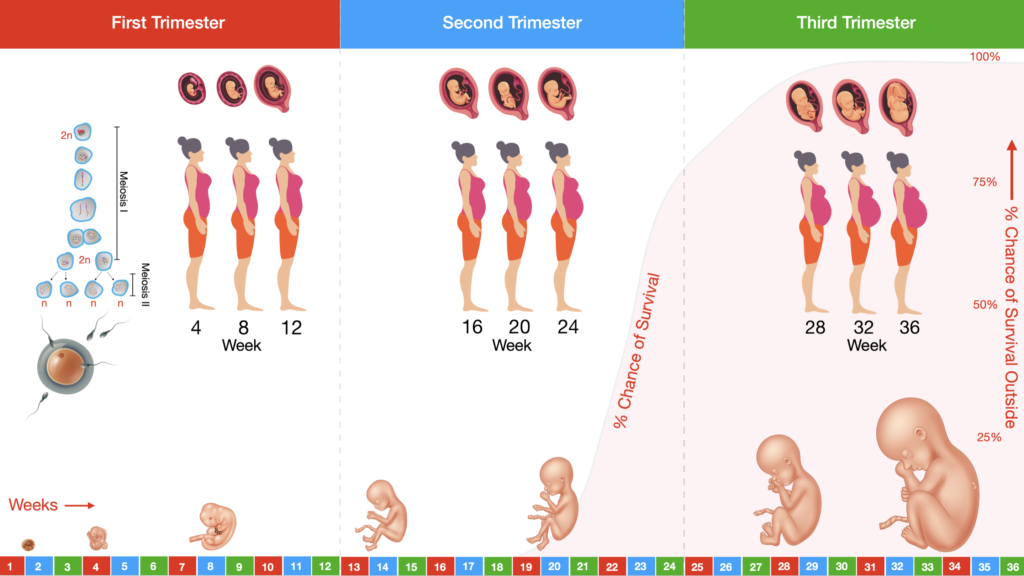
Human Prenatal Development
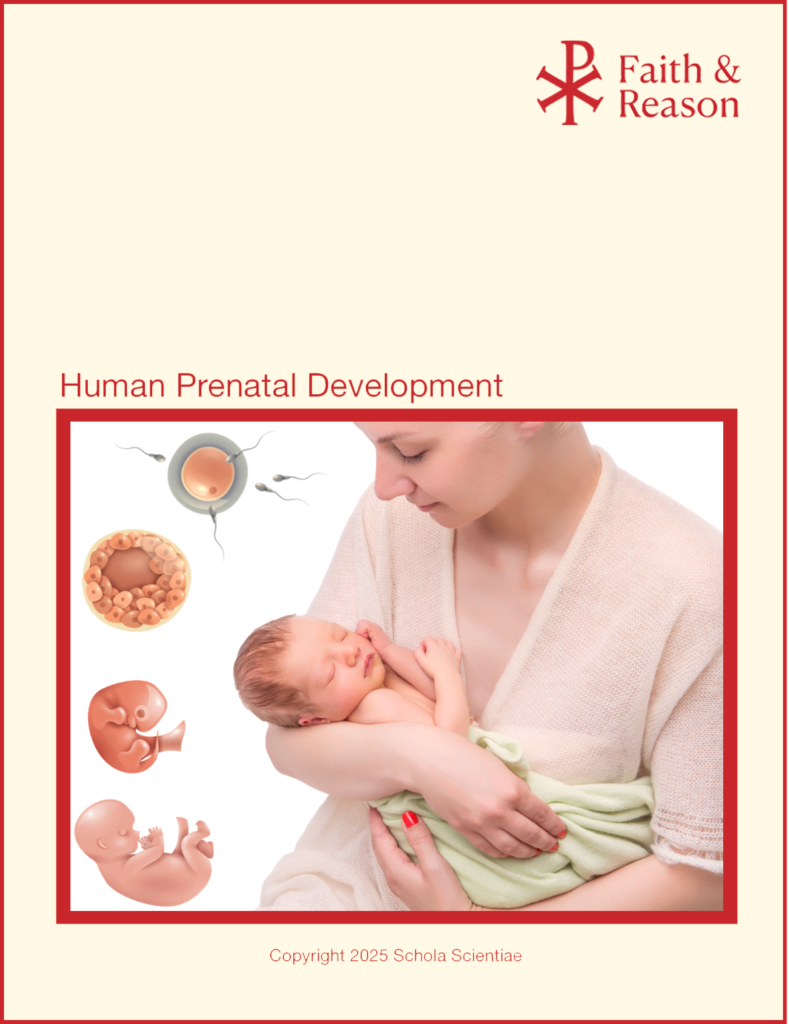
Students investigate the biology of prenatal human development through hands-on laboratory experiments, scientific observation, and reflection on the dignity of the developing human person.
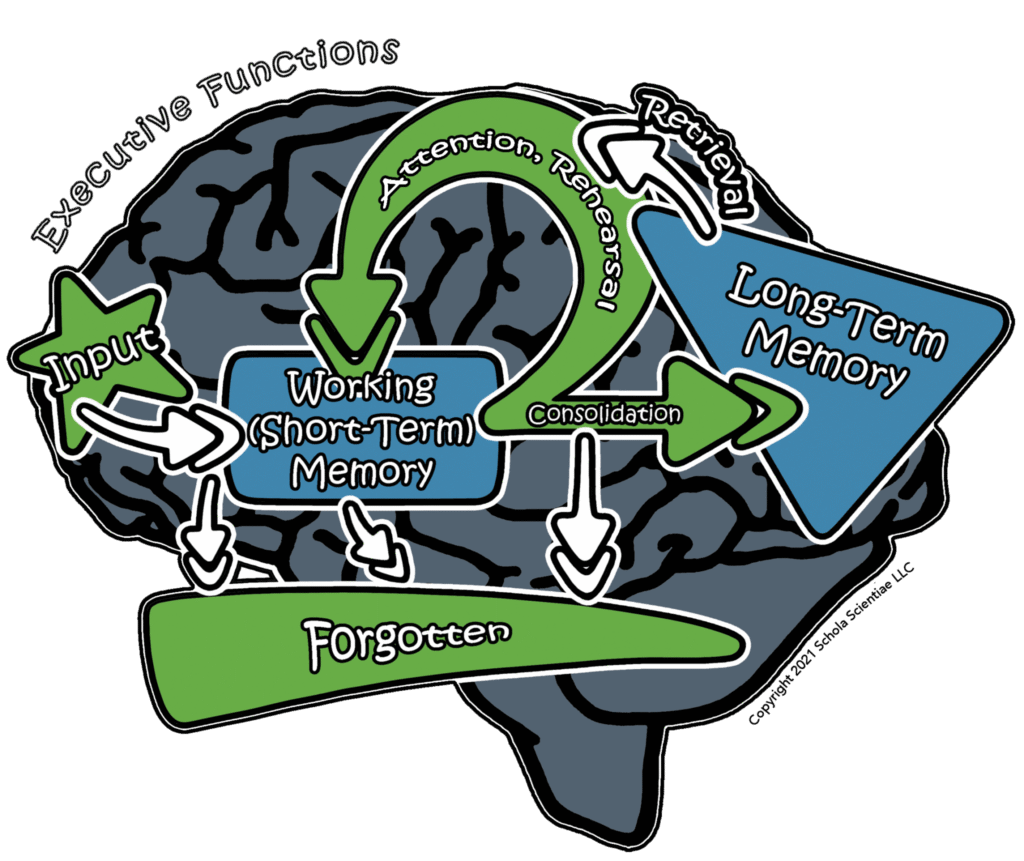
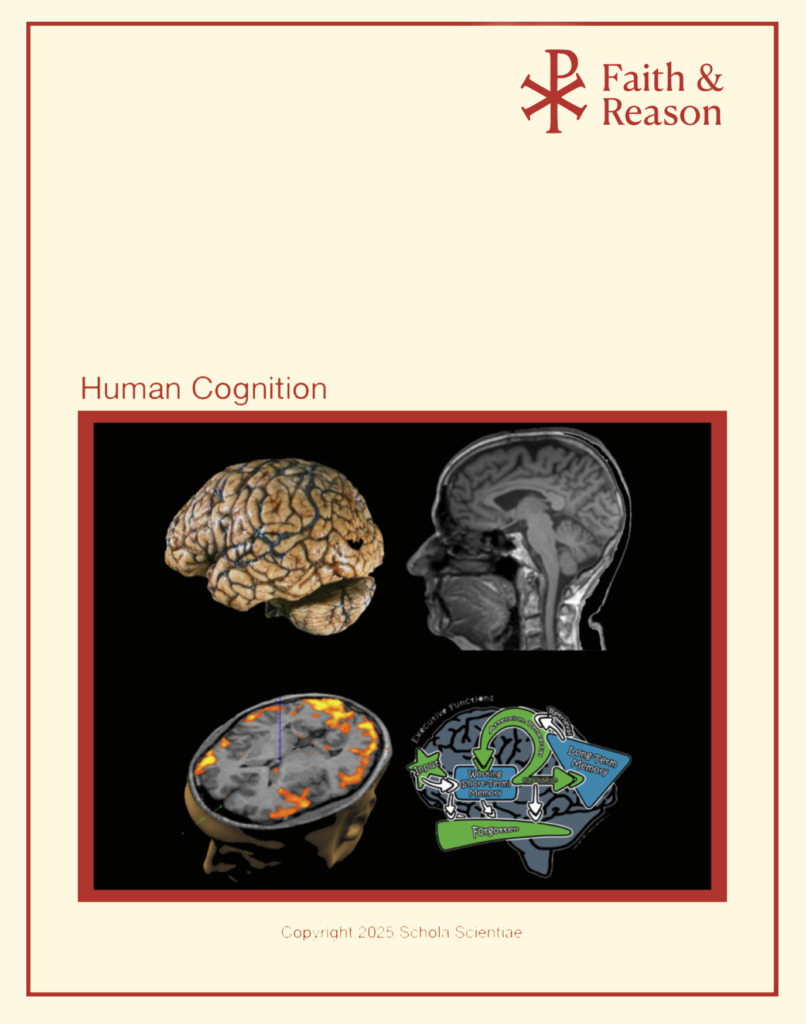
Students explore the human brain and the science of learning, memory, perception, and executive function through experiments that reveal how the human mind receives, processes, and uses information.
Coming Soon
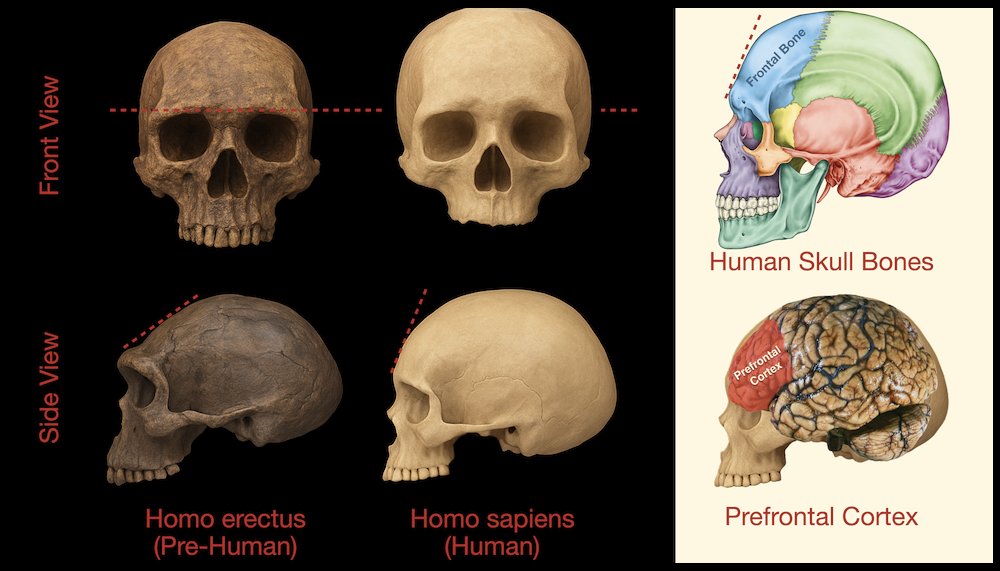
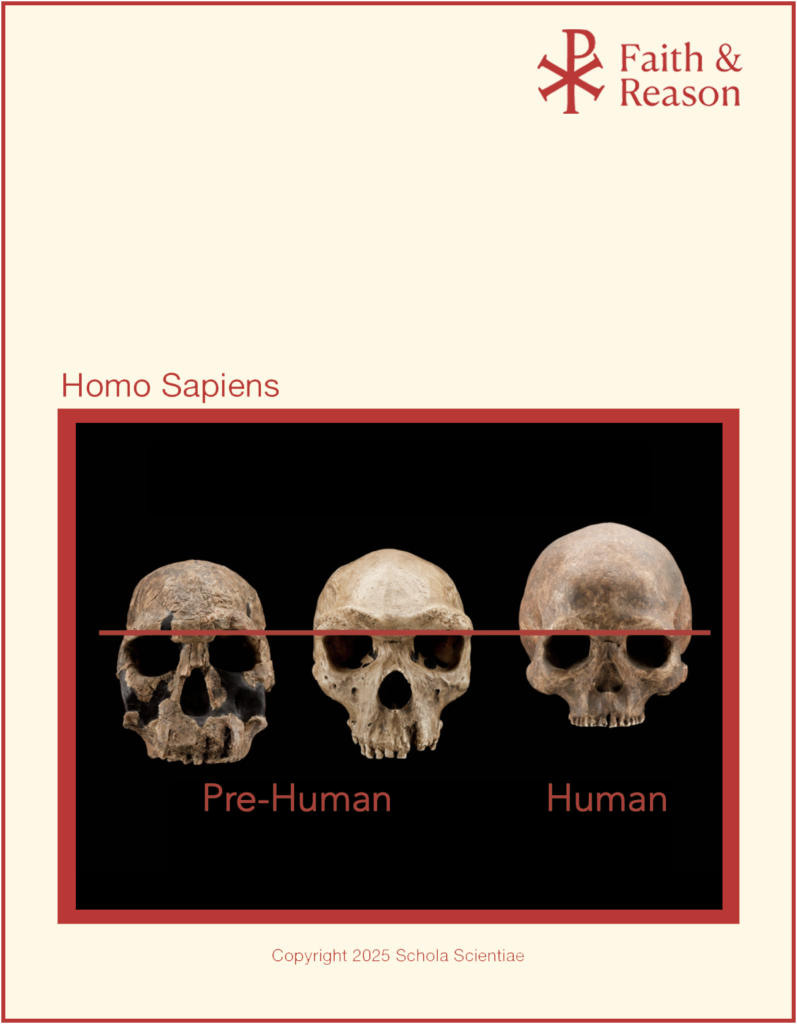
Homo Sapiens
Students examine the biological and anthropological distinctiveness of human beings, asking what science reveals about human origins, human uniqueness, and the meaning of being human.
Developed by a Scientist and Classroom Educator
The Faith and Reason Series was developed by Keith Verner, PhD (Biochemistry, Cornell University), founder of LabLearner and creator of hands-on science curriculum used by schools across the United States for over two decades.
Drawing on both scientific research and decades of classroom experience, the program was designed to help middle school students investigate scientific questions through experimentation, discussion, and reflection.
The series reflects years of work helping students understand science through direct investigation while encouraging thoughtful reflection on the human person.
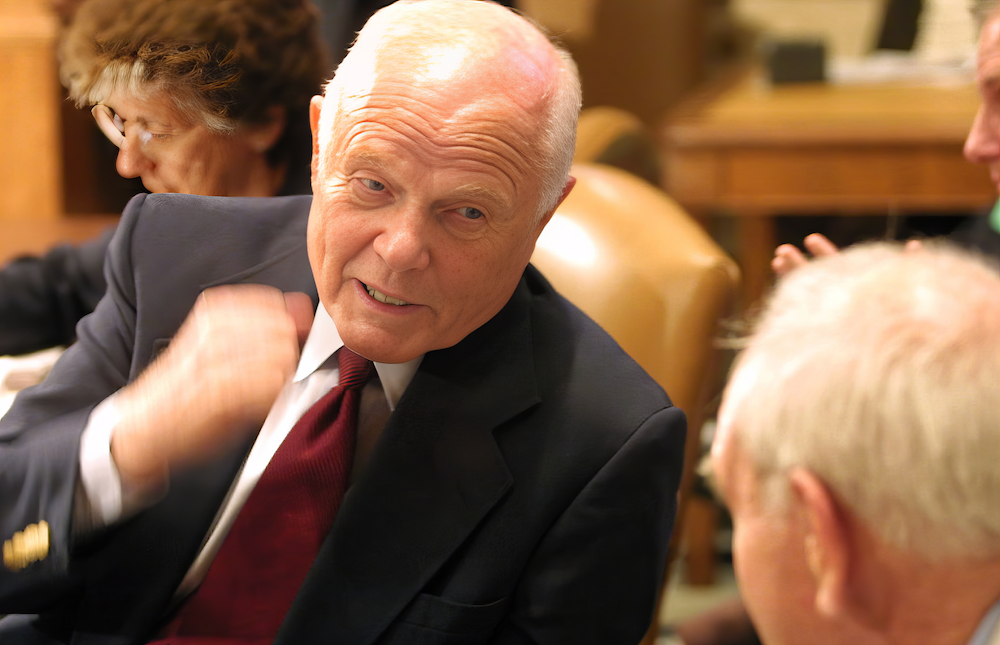
Dr. Verner testifying before the U.S. Senate with Senator John Glenn regarding science education.
The First Three Units in the Faith and Reason Series
The series begins with Human Prenatal Development, now available for classroom use. Additional units will follow.
Human Prenatal Development
Early adolescence is a formative period in which students begin integrating scientific explanations with questions of identity, meaning, and human dignity. In Catholic education, Human Prenatal Development is intentionally presented first because it addresses these foundational questions at their source: the origin of human life itself, created intentionally by God and endowed with inherent dignity from the moment of conception.
Through rigorous biological science taught within a Catholic worldview, students come to understand prenatal development not only as a biological process, but as part of a larger moral and spiritual reality. Scientific inquiry is paired with age-appropriate reflection drawn from Catholic theology, Scripture, and the Church’s understanding of the human person, helping students form a coherent and respectful understanding of human life.
Human Cognition
Building upon an understanding of human life as created and dignified, the Human Cognition unit invites students to explore how the human mind develops, learns, and chooses. Within Catholic education, cognition is never treated as a purely mechanical process, but as a capacity intimately connected to reason, conscience, and moral responsibility.
Students investigate memory, attention, decision-making, and self-control through modern cognitive science while engaging Catholic perspectives on the human intellect and free will. This integration helps students recognize that thinking, choosing, and learning are not value-neutral activities, but essential aspects of what it means to grow as a responsible human person made in the image of God.
Homo Sapiens
After students understand how the human body develops and how the human mind functions, the Homo Sapiens unit broadens the lens to address a deeper question central to Catholic anthropology: What does it mean to be human?
In accordance with St. Pope John Paul II’s teaching on human origins and evolution, this unit presents the scientific study of human evolution as a legitimate and important area of biological inquiry, while firmly situating it within the Catholic understanding of the human person as created by God, endowed with spiritual dignity, and possessing a unique moral and rational nature.
Students explore human origins, biological uniqueness, cooperation, culture, and symbolic thought—examining how scientific evidence regarding human evolution complements, rather than contradicts, the Church’s teaching on the unity of body and soul. In doing so, students are guided to see science not as diminishing human meaning, but as illuminating the remarkable unity of biology, reason, and purpose that defines the human species.