Teacher Portal
The Human Brain: Theology Lesson Plan
Lesson Title:
In His Image: God’s Design Begins with a Cell
Grade Level:
Middle School (Grade 7–8)
Time Required:
One class period (45–60 minutes)
Materials Needed:
– Theology Slide Deck (Click Teacher Theological Connections Slide Set to the right)
– Student Worksheet: Scripture + Virtue Reflection (Click on Student Theological Connections Worksheet to the right).
– Slide Annotations / Teacher Guide (download from top of Teacher Theological Connections Slide Set page)
– Bible (optional, for Scripture reading)
– Student journals or writing paper
Objectives:
-Recognize the unity of body, intellect, and soul as essential to the dignity of the human person.
-Connect basic scientific knowledge about the brain and cognition to Catholic teaching on the nature of the human soul and free will.
-Reflect on Scripture, the Catechism, and Theology of the Body in relation to human thought and decision-making.
-Apply personal virtue to the use of knowledge, memory, and reason in daily life.
Lesson Flow / Sequence:
Opening Prayer and Warm-Up Question (5 min)
-Prayer asking for wisdom and understanding.
-Warm-up: “When you make a choice, where does it really happen—in your brain, your heart, or your soul?”
Slide Presentation with Discussion (25 min)
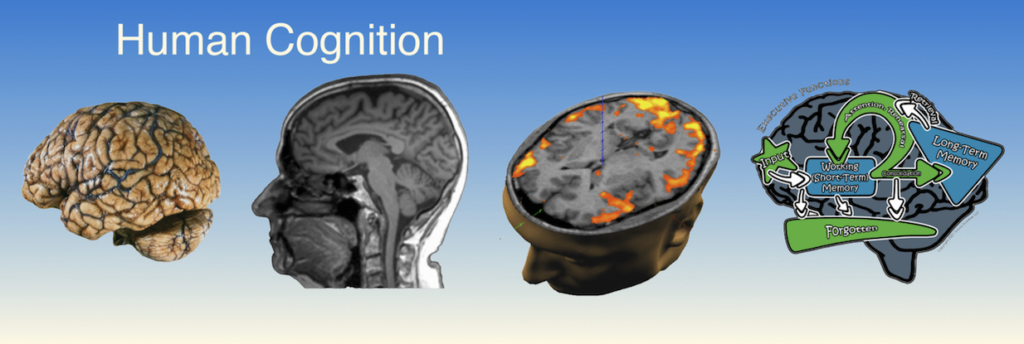
-Explore the scientific basics of the brain (neurons, memory, cognition) and theological concepts of intellect and will.
-Discuss the harmony of faith and reason in understanding human cognition.
Scripture + Virtue Reflection Worksheet (15 min)
-Students read and reflect on passages (e.g., Wisdom 9:10, Romans 12:2) connecting intellect and transformation.
-Apply virtues such as prudence, wisdom, and temperance to the responsible use of human cognition.
Final Reflection and Closing Prayer (5 min)
-Prompt: “How does knowing that God gave you both a brain and a soul change the way you think about your daily choices?”
-Closing prayer for guidance of the Holy Spirit in thoughts and actions.
Assessment Options:
– Student completion of the reflection worksheet
– Class discussion participation
– Short written reflection on the final prompt
Optional Extensions:
-Research and present a saint known for wisdom (e.g., St. Thomas Aquinas, St. Augustine).
-Invite students to write a prayer for the proper use of reason and memory.
-Discuss modern challenges (technology, AI, distractions) and how virtue helps guide our intellect responsibly.
Teacher Theological Connections Slide Set
Clicking this link will take you to a new page with a complete slide set to go along with this Investigation of Human Cognition. Each slide will have annotations for the teacher’s use and a link to launch the slide set in a new window.
Student Theological Connections Worksheet
Click below to download a PDF Student Worksheet for this Investigation:
Download the Student Worksheet Answer Key:
(not available in Preview)
Faith in Depth
Looking to integrate this lesson more fully into your religion class or sacramental prep?
We’ve compiled powerful references from the Bible, the Catechism, Theology of the Body, and Catholic virtue education to help you form young minds and hearts.